
Cabeza de Vaca: When Riviera Nayarit Became the Early Americas
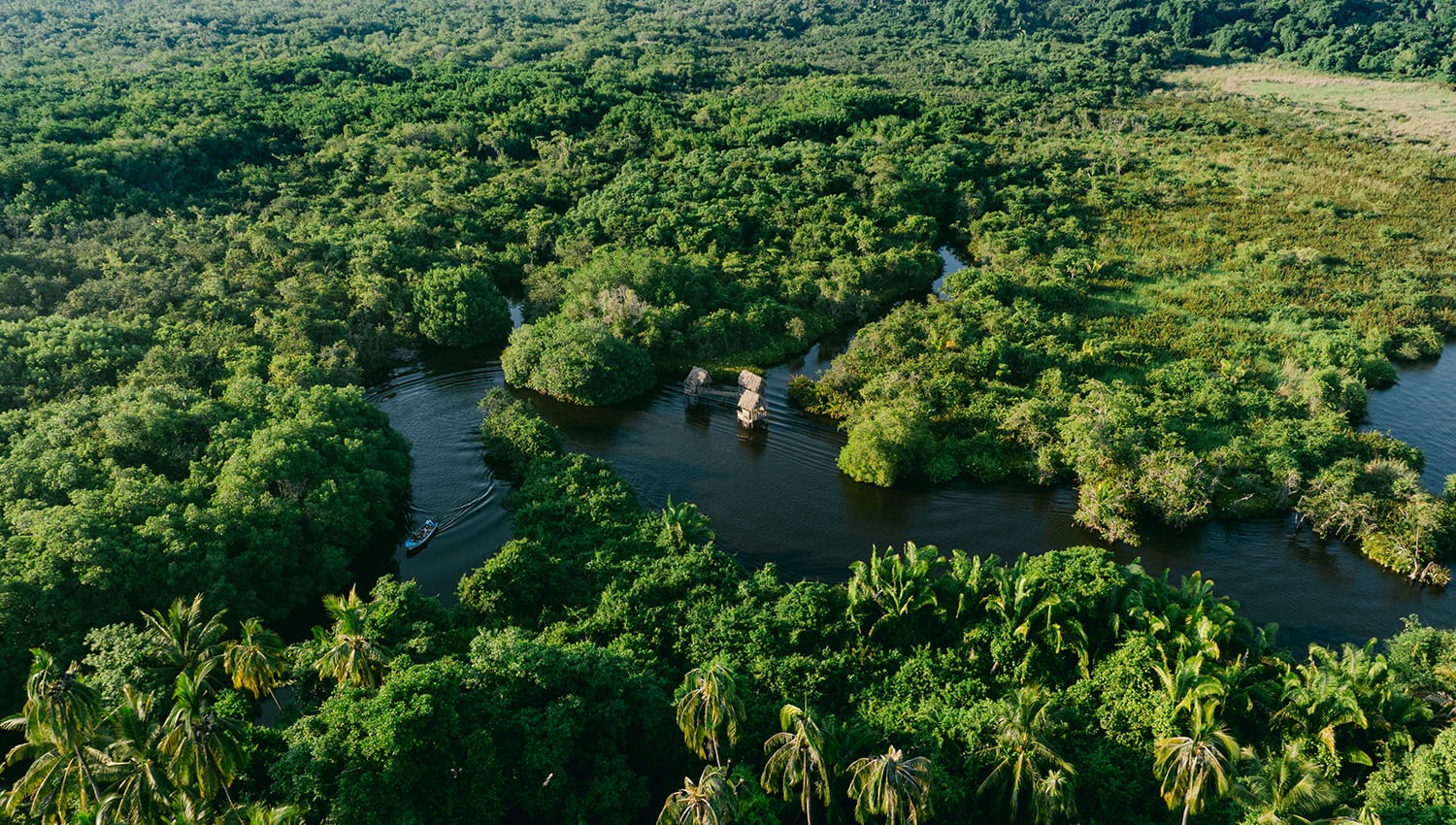
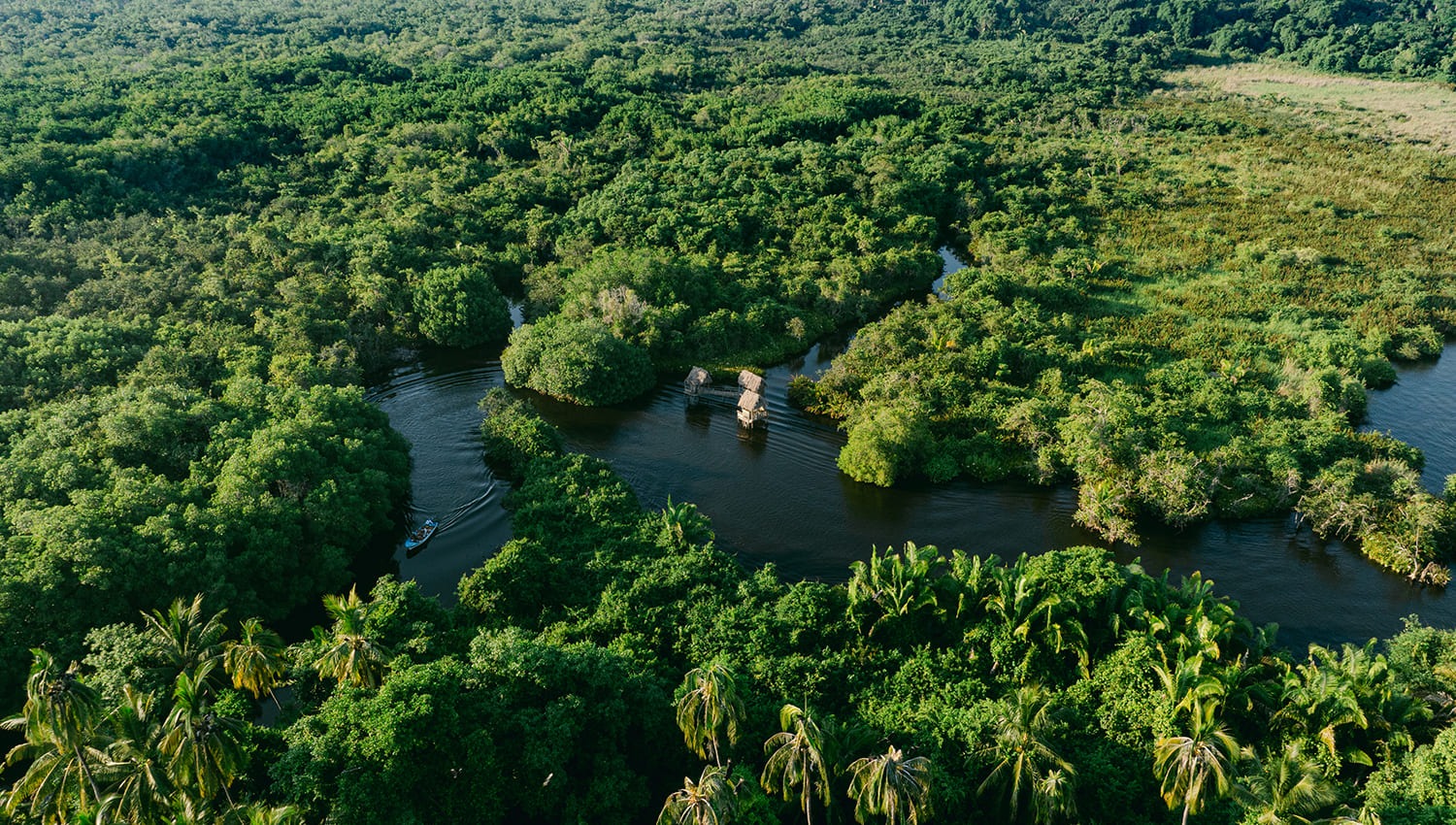
There are landscapes that seem to belong to another era. On the northern coast of Riviera Nayarit, amid mangroves, natural canals, and vegetation stretching as far as the eye can see, cinema found a way to recreate the 16th-century Americas. It was here, in La Tovara (near San Blas), that part of the film Cabeza de Vaca found the setting to tell one of the most extraordinary stories of Spanish exploration on the continent.
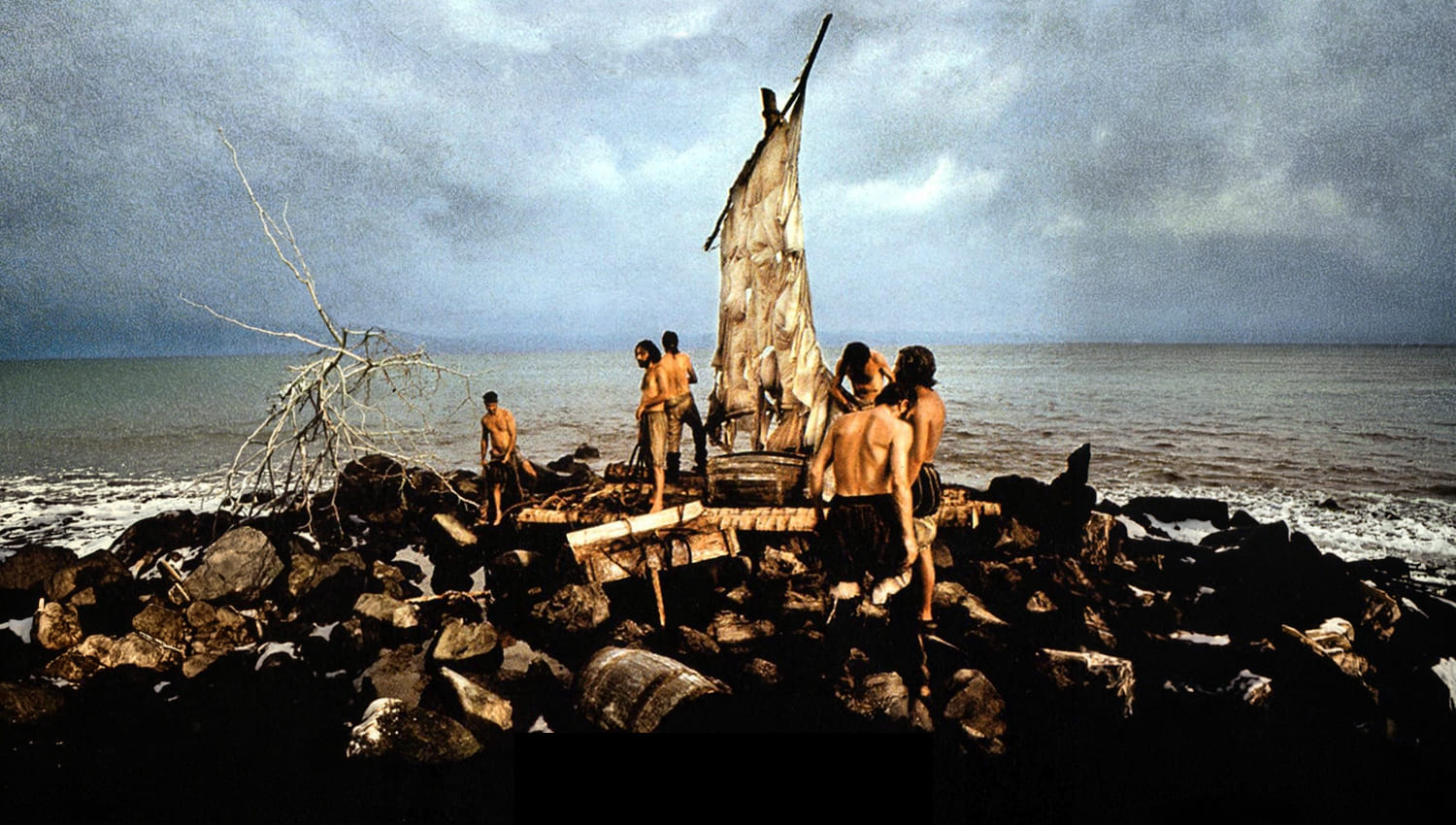
Photo: IMDb.
Directed by Nayarit native Nicolás Echevarría and released in 1991, the movie centers on Álvar Núñez Cabeza de Vaca, a member of Pánfilo de Narváez’s expedition to Florida. Undertaken in the 16th century, the journey turned into a struggle for survival: following the expedition’s shipwreck off the coast of Texas and several clashes with indigenous populations, Cabeza de Vaca became one of the few survivors.
Over several years, his journey through unknown territories completely transformed his experience of the continent. First a prisoner and later the apprentice of a nomadic shaman, he learned healing techniques and connected with a cultural reality vastly different from that of the Europeans who had arrived with the expedition.
Echevarría brought this story to the screen from a perspective far removed from conventional portrayals of the Conquest. Rather than focusing on battles, horses, and warfare, he crafted a cinematic experience defined by landscapes, rituals, and the perception of a world that was completely alien to the European protagonists. The result has been described as a lyrical and visual poem on the encounter between Europe and America.
A LANDSCAPE THAT TRANSCENDED THE SCREEN
To recreate that universe, the production utilized various locations across Mexico, including Coahuila, Durango, and Nayarit, alongside Churubusco Studios in Mexico City. In San Blas, the landscape played a particularly special role.
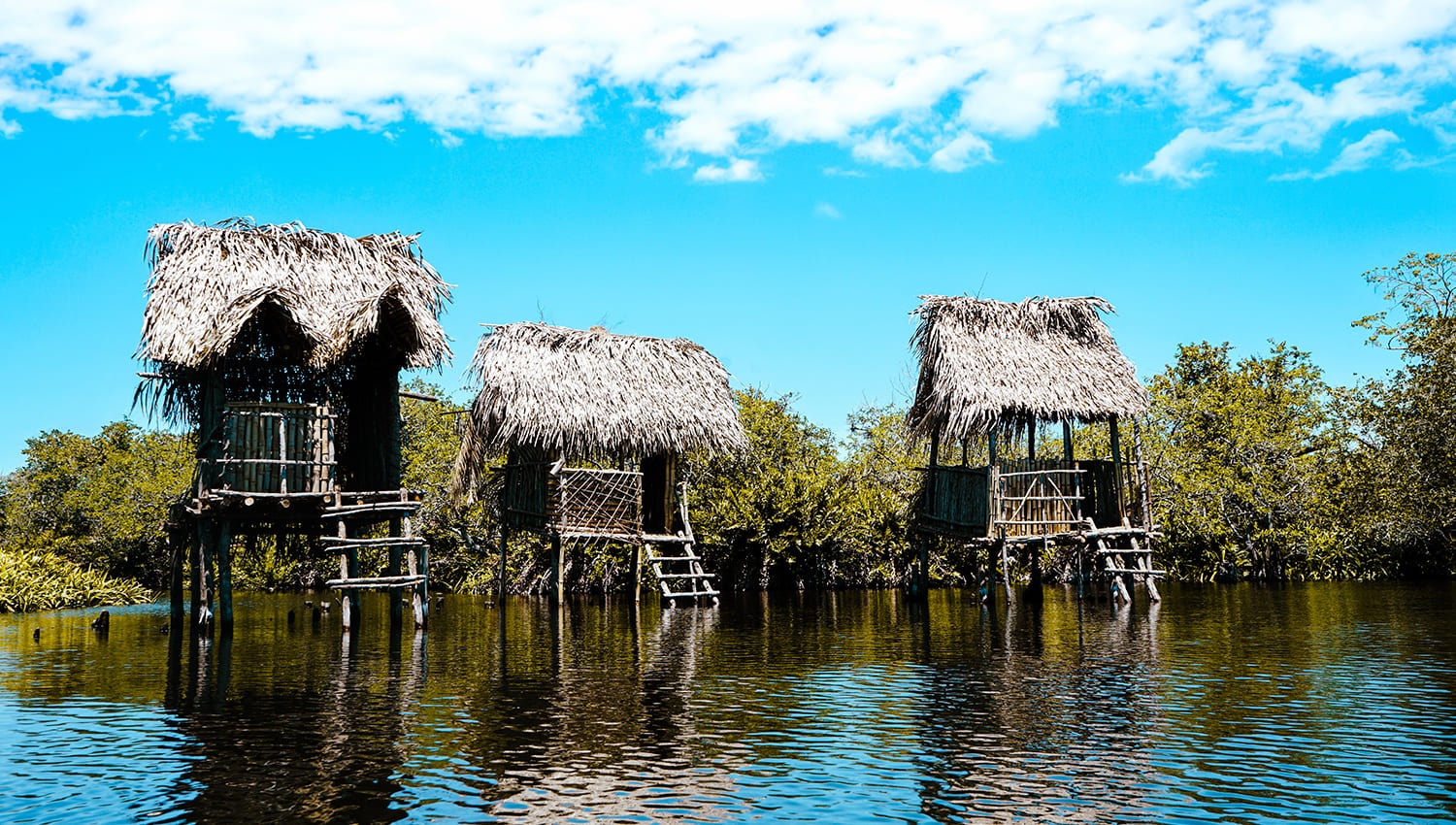
The mangroves and waterways of La Tovara provided the natural environment necessary to evoke the territories Cabeza de Vaca traversed during his years of survival. Amid this labyrinth of vegetation, huts were built over the water as part of the film set. Some of these structures have since been restored and are now part of the guided tours through the site, creating a unique link between film history and the Nayarit landscape.
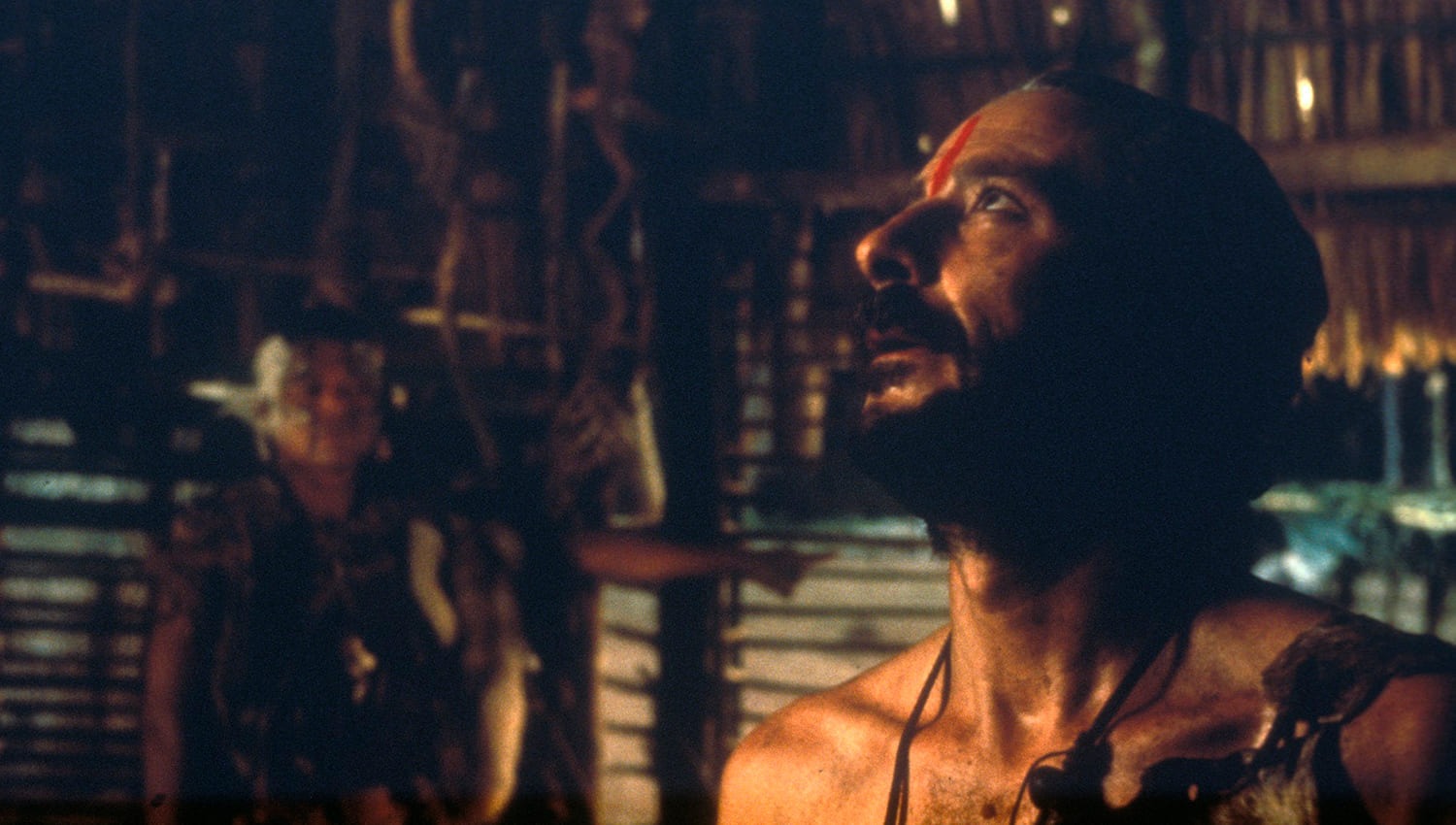
Photo: IMDb.
The production also involved residents of San Blas, who participated as extras, stepping away from their daily routines for a few days to take part in recreating a distant era.
A STORY THAT CROSSED BORDERS
The vision behind Cabeza de Vaca extended well beyond Mexico. The film was selected by the Mexican Academy of Cinematographic Arts and Sciences to represent Mexico at the Academy Awards and was featured in the official selection at the Berlin International Film Festival in 1991. That same year, it received the Golden Makila (Makila de Oro) at the Biarritz Film Festival in France.
It also holds the 61st spot on the list of the 100 Best Mexican Movies published by Somos magazine in July 1994, based on the consensus of 25 film critics and specialists.
More than three decades after its premiere, Cabeza de Vaca maintains a singular connection to Nayarit. The film temporarily transformed its landscapes into territories of another age and left a lasting mark in La Tovara that can still be recognized while traveling through its canals.

Comments