
The Jaguar: Guardian of the Banderas Bay Mountains
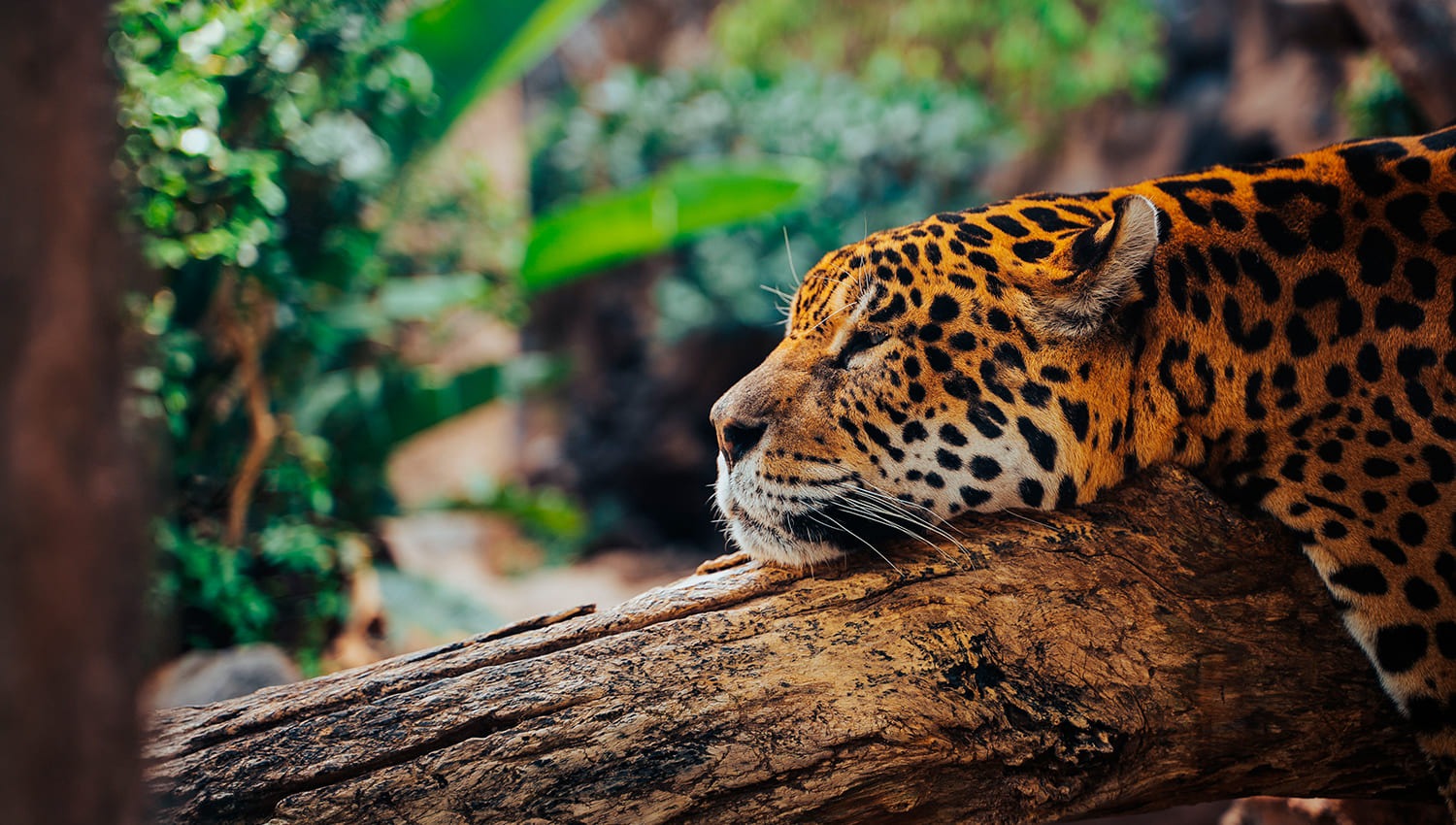
In the mountains and jungles of the Sierra Madre Occidental surrounding Banderas Bay and beyond lives one of the Americas’ most iconic animals: the jaguar (Panthera onca). Present in the highland areas of Puerto Vallarta, as well as neighboring municipalities in Nayarit and the Sierra de Vallejo, this feline finds in the region a vital territory for its conservation in Mexico.
Considered the largest and most powerful feline in the Americas, the jaguar sits at the top of the food chain. Its presence fulfills an essential function in the natural balance, as it regulates the populations of the animals that make up its diet. For this reason, it is considered an umbrella species: protecting the spaces it needs to survive means also conserving much of the ecosystem it shares with numerous other species.
AN EXCEPTIONAL PREDATOR
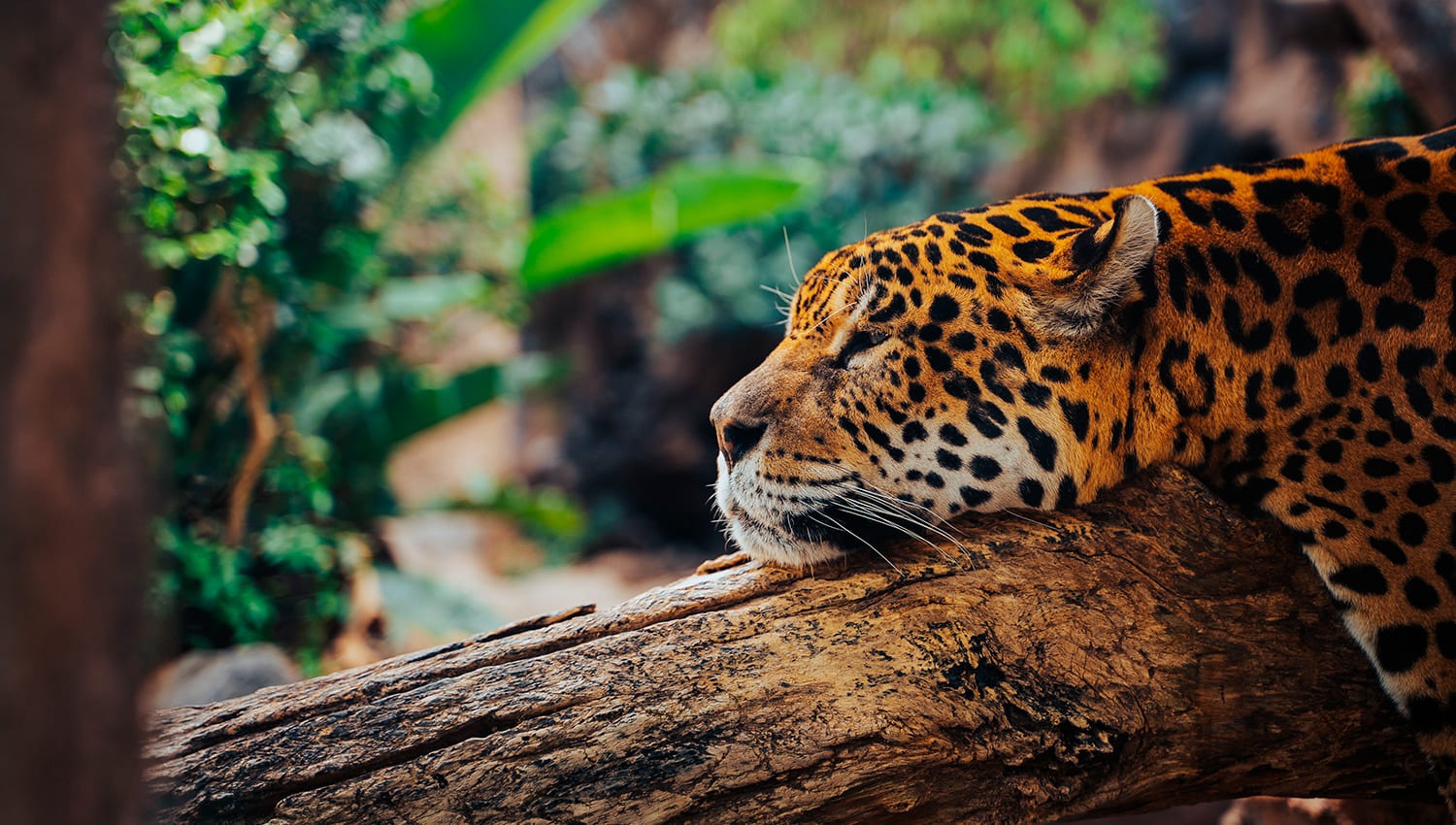
The jaguar’s strength is evident in every detail of its anatomy. Its limbs are short and solid, while its robust head houses an extraordinarily powerful jaw and 30 teeth designed for cutting, piercing, and crushing.
Its bite is one of its most unique traits. Unlike other big cats, the jaguar can strike directly at the skull of its prey, thanks to the design of its canines and the force of its jaw. This capability allows it to hunt large animals such as tapirs, horses, and cattle.
Its diet, however, is diverse. It is an opportunistic predator that feeds primarily on mammals such as peccaries, deer, and coatimundis, though it also consumes birds, fish, and reptiles.
Even its movement reveals an extraordinary adaptation. Between the toes and pads of its paws, it features fur that helps absorb sound, allowing it to move almost silently.
A TERRITORY WORTH PROTECTING
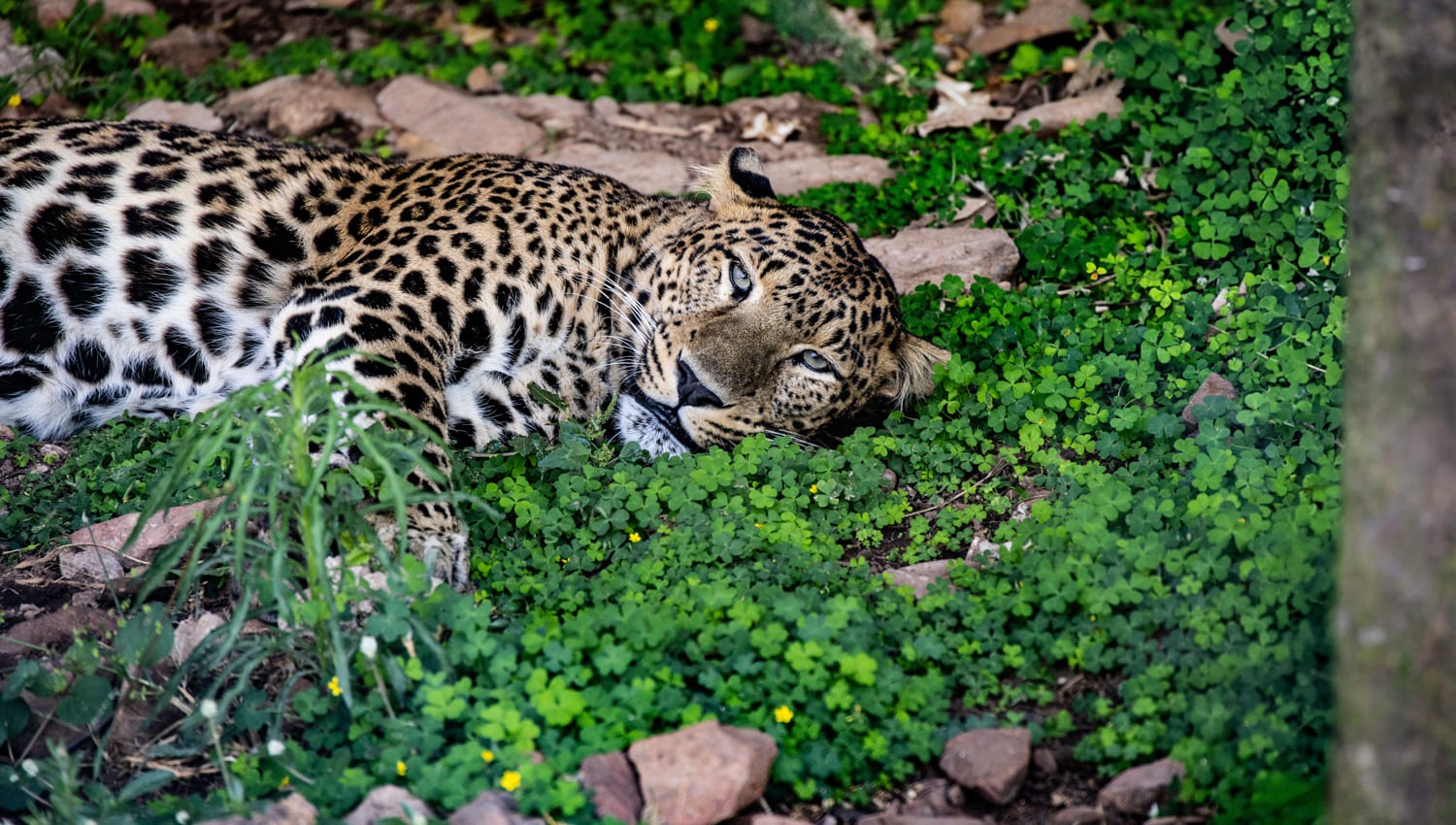
The jaguar inhabits various environments, from tropical forests to humid temperate forests. Its range extends from Sonora, Mexico, down to Brazil and a small portion of Argentina. In the Banderas Bay region, its populations find refuge in the mountainous and jungle areas connecting coastal landscapes with the Sierra Madre Occidental.
Several civil associations and local ecotourism centers participate in monitoring and awareness efforts. The use of camera traps makes it possible to track their movements and identify individuals based on the unique pattern of their spots—comparable to human fingerprints. These efforts contribute to a better understanding of their populations and strengthen actions to protect them.
AN ENDURING SYMBOL
Beyond its ecological importance, the jaguar holds a profound place in Mexico’s history and identity. It was one of the most significant symbolic animals for pre-Hispanic cultures, and its depiction appears in the art of various Mesoamerican civilizations, from the Olmecs to the Aztecs.
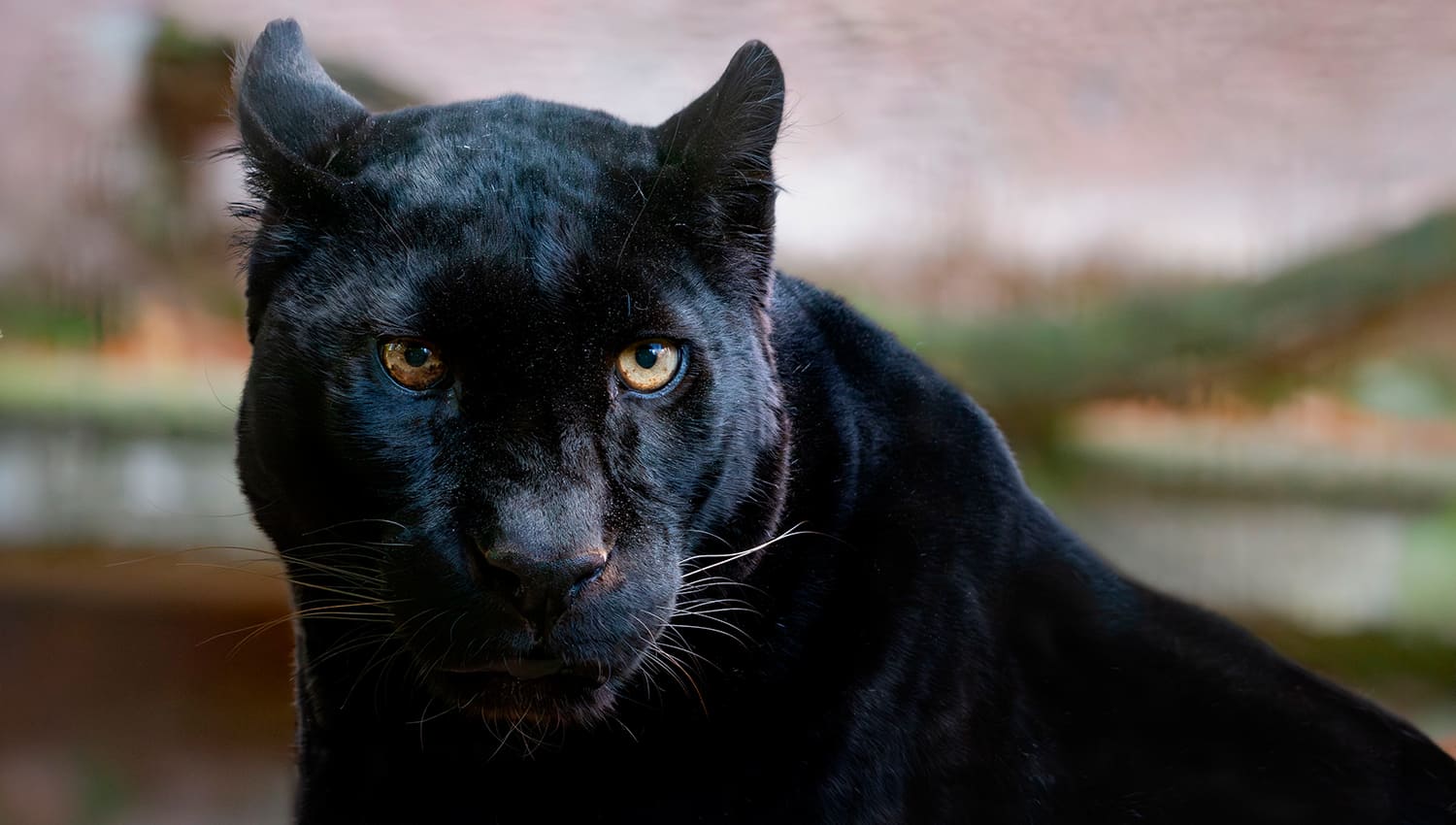
Its striking appearance is also part of its fascination. Its coat can exhibit shades ranging from yellow to reddish hues, while some individuals develop an excess of dark pigmentation known as melanism. These jaguars are commonly known as panthers.
Today, the jaguar is a threatened species and a conservation priority in Mexico. In Banderas Bay, its presence serves as a reminder that behind the mountains framing the destination lies a wild territory of immense value. Protecting it means preserving not only one of the most extraordinary animals in the Americas, but also the delicate natural balance that defines this region.

Comments