
Marietas Islands: A Journey Through Craters, Reefs, and Wildlife
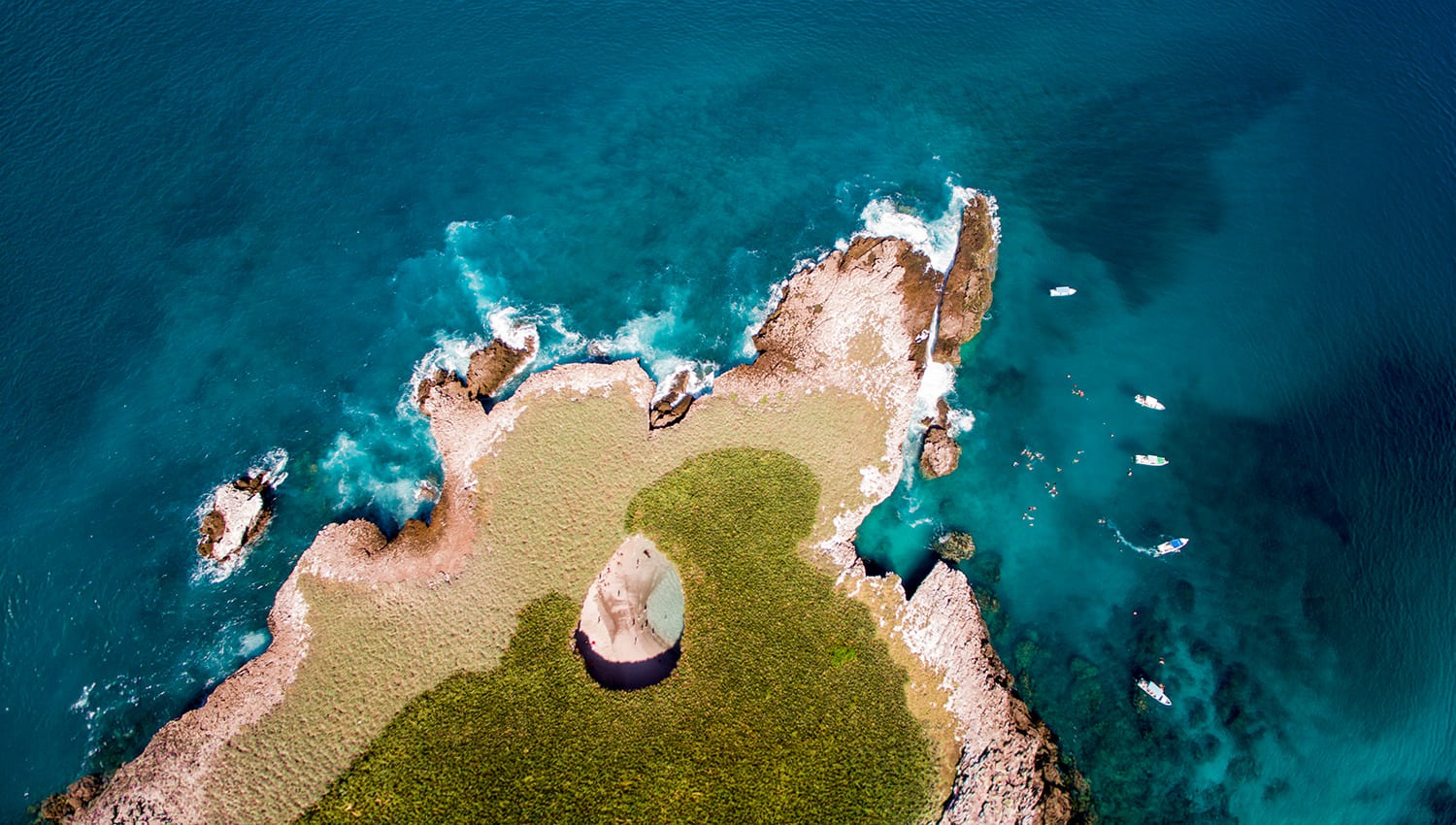
Some experiences redefine our understanding of the environment. They offer privileged access to natural settings that have kept their essence intact. A tour of the Marietas Islands, in the heart of Banderas Bay, is precisely that: a carefully regulated immersion into one of the most fascinating ecosystems of the Mexican Pacific.
The day begins early. Boats typically depart from Punta de Mita around 8:00 am, when the sea still reflects the morning’s calm. Approximately nine kilometers off the coast, these volcanic islands emerge, protected as a national park with a strict limit of 625 daily visitors, distributed across six experiences designed to preserve its ecological balance.
With water temperatures averaging 25°C during this season, the journey frequently starts at Isla Redonda, where towering volcanic cliffs (up to 30 meters high) rise above shallow turquoise waters. This first encounter anticipates the diversity of landscapes that define the tour.
HIDDEN BEACH: A SECRET SCULPTED BY TIME
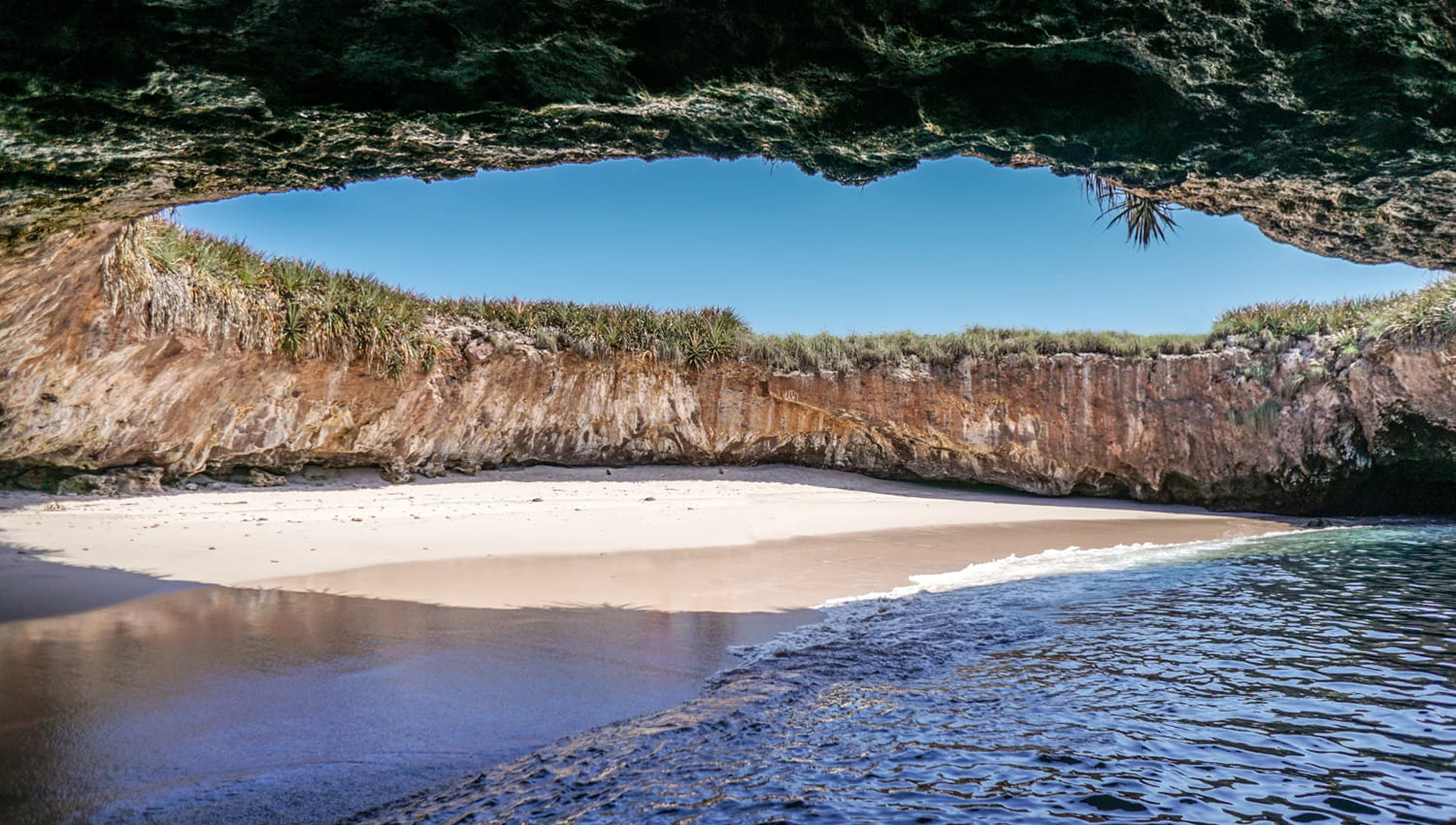
The highlight of the visit is undoubtedly the iconic Hidden Beach, also known as Playa del Amor. Located inside a collapsed crater, its access is as unique as its beauty: visitors must swim approximately 15 meters through a natural rock tunnel, always during low tide and under the supervision of certified guides who pre-verify each visitor’s swimming ability. The use of a life jacket is mandatory.
Passing through this passage, the visitor emerges into an almost surreal setting: a circular white-sand beach, about 30 meters wide, surrounded by rocky walls that frame an opening to the sky. The morning light filters from above, illuminating the water with pale turquoise hues that seem suspended in time.
Access is strictly regulated. Stay is limited to 30 minutes, and the beach opens only four days a week, remaining closed on Mondays and Tuesdays to allow for natural regeneration. Permits usually sell out weeks in advance, especially in the spring, while park rangers monitor compliance from the sea.
BEYOND THE CRATER: FIVE ADDITIONAL EXPERIENCES
Although Hidden Beach attracts most of the attention, the tour includes five other stops that enrich the experience.
The first is Playa La Nopalera, a pristine white-sand beach located on the north side of Isla Redonda. Here, tide pools reveal small ecosystems inhabited by sea urchins and fish, while seabirds occupy the nearby cliffs.
When sea conditions are calm, the Cueva del Muerto (Cave of the Dead) allows for entry by kayak. By mid-morning, sunbeams penetrate the cavity, lighting the water with intense reflections. In the outer channel, it is common to observe manta rays gliding elegantly.
Snorkeling between Isla Redonda and Isla Larga offers another perspective of the environment. This shallow reef area (between three and nine meters deep) is home to parrotfish, angelfish, and pufferfish, clearly visible thanks to visibility that can reach 24 meters on serene April mornings. This ecosystem is part of a UNESCO-recognized conservation program, and the use of biodegradable sunscreen is mandatory to minimize environmental impact.
Birdwatching completes the natural experience. Between February and August, the cliffs become nesting sites for species such as blue-footed boobies and brown boobies, while frigatebirds soar overhead. Boats maintain a prudent distance of 100 meters, allowing for observation without disturbance. April, in particular, marks the height of the breeding season.

ISLA LARGA: THE PERFECT CLOSURE
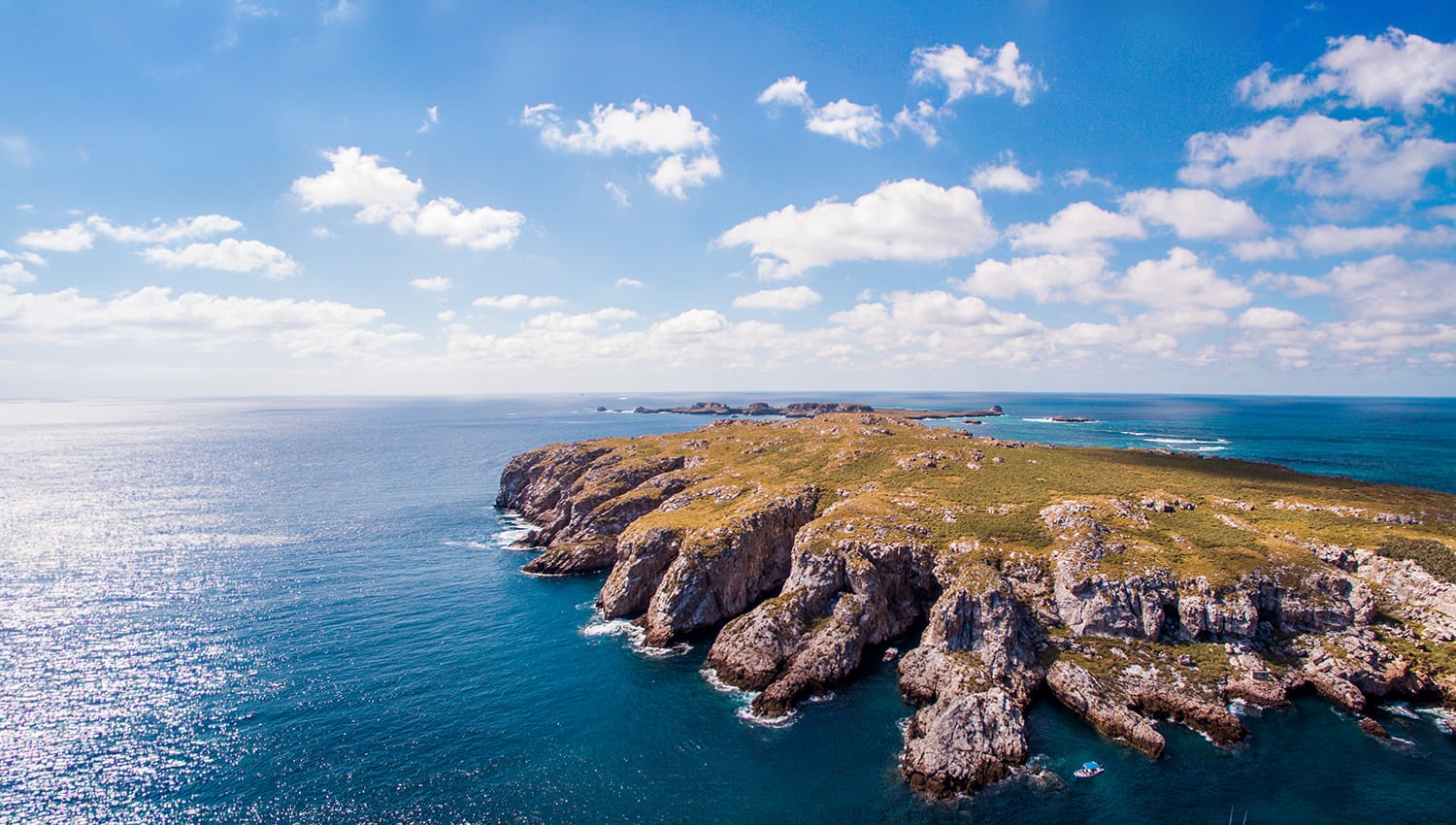
On the second island, Isla Larga, no landings are permitted. Instead, the tour concludes with a circumnavigation of approximately 30 minutes that reveals another side of the archipelago. Natural arches, rock formations sculpted by the waves, and the contrast between the side open to the Pacific (with rougher waters) and the protected bay side create a constantly changing visual spectacle.
During this afternoon leg, dolphin encounters occur on nearly 40 percent of the tours, especially in the deep channels surrounding the island. Meanwhile, pelicans dive into the sea, accompanying the return with a natural choreography that closes the experience with elegance.
A SANCTUARY PRESERVED THROUGH BALANCE
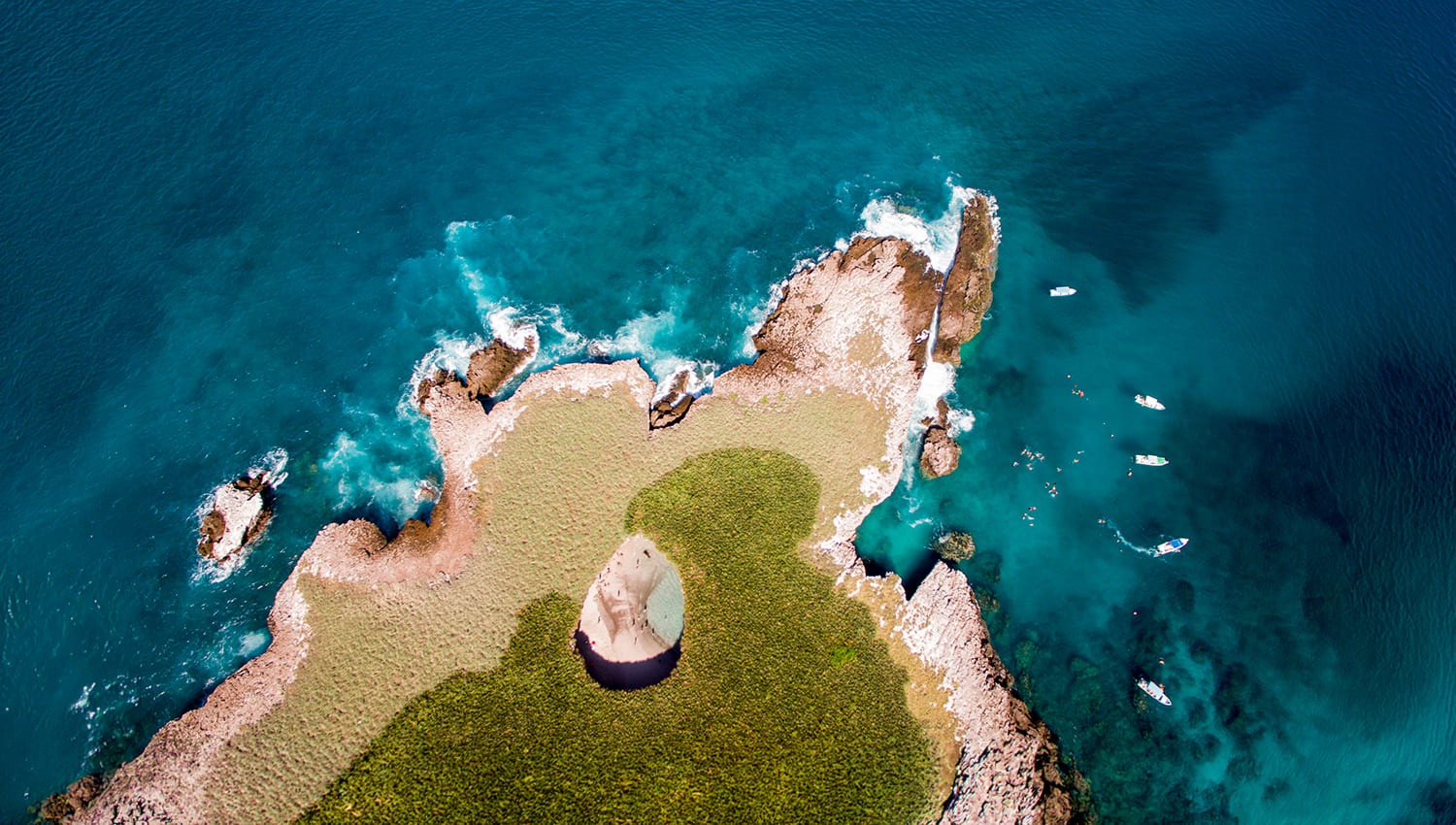
More than a destination, the Marietas Islands represent a model for responsible tourism. Each of its six stops is designed to offer access without compromising the integrity of the ecosystem. The visitor limit, restricted hours, and constant supervision ensure that this natural sanctuary maintains its wild character.

Comments