
Humpback Whale Season Begins in Banderas Bay and Beyond
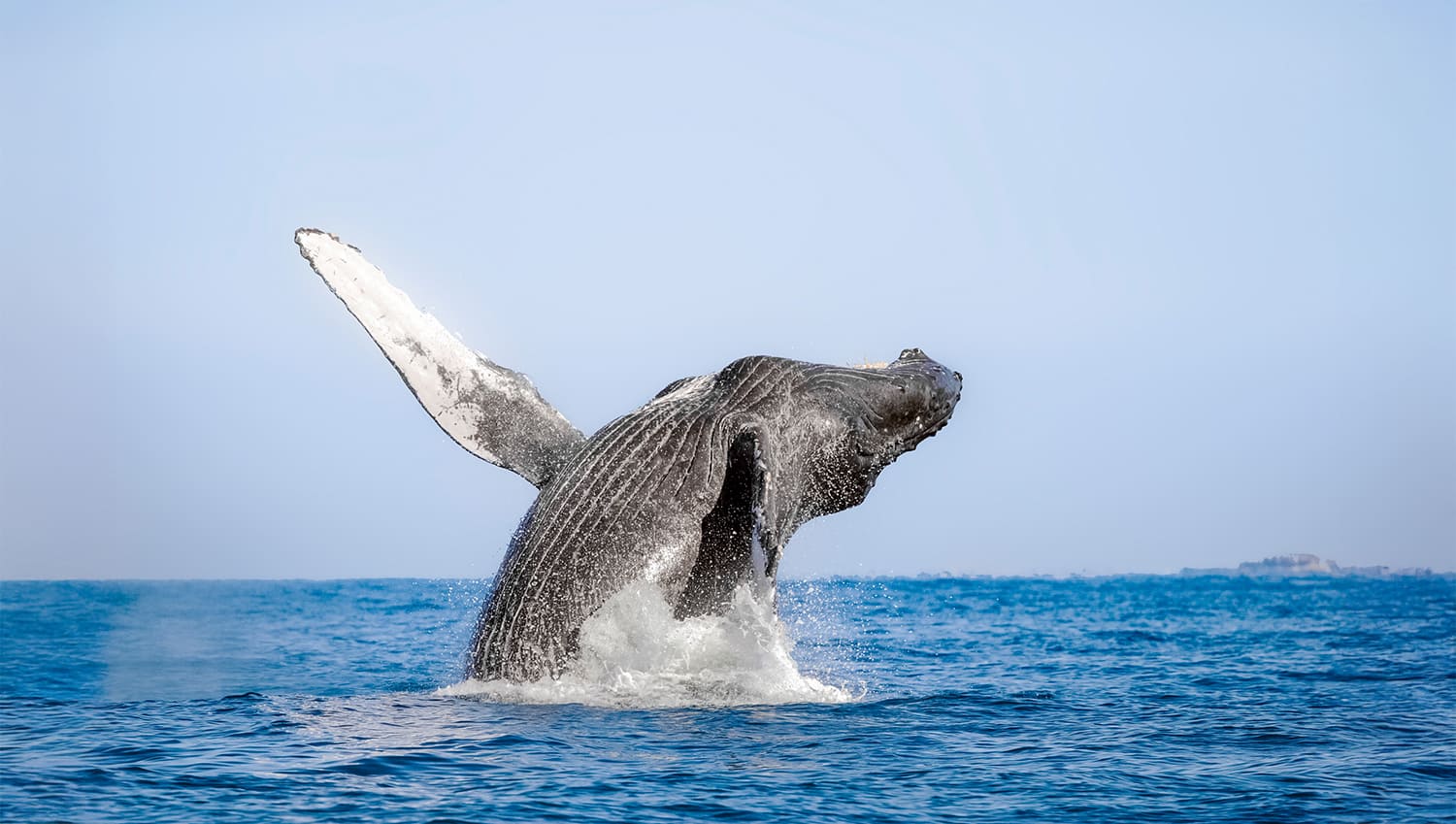
Every December, the shores of Banderas Bay (and beyond) transform into one of the most extraordinary natural stages on the Mexican Pacific to welcome the humpback whales.
Officially, their sighting season begins on December 8th, when these majestic travelers, after journeying thousands of miles from the cold waters of the continent’s north, make their appearance on the coasts of Riviera Nayarit, Puerto Vallarta, and Costalegre. Their visit usually extends through March.
This phenomenon makes this region of the Mexican Pacific a key spot for researchers, tourism operators, and nature lovers who, year after year, await their return to document their behavior, photograph them, and/or simply marvel at their grandeur.
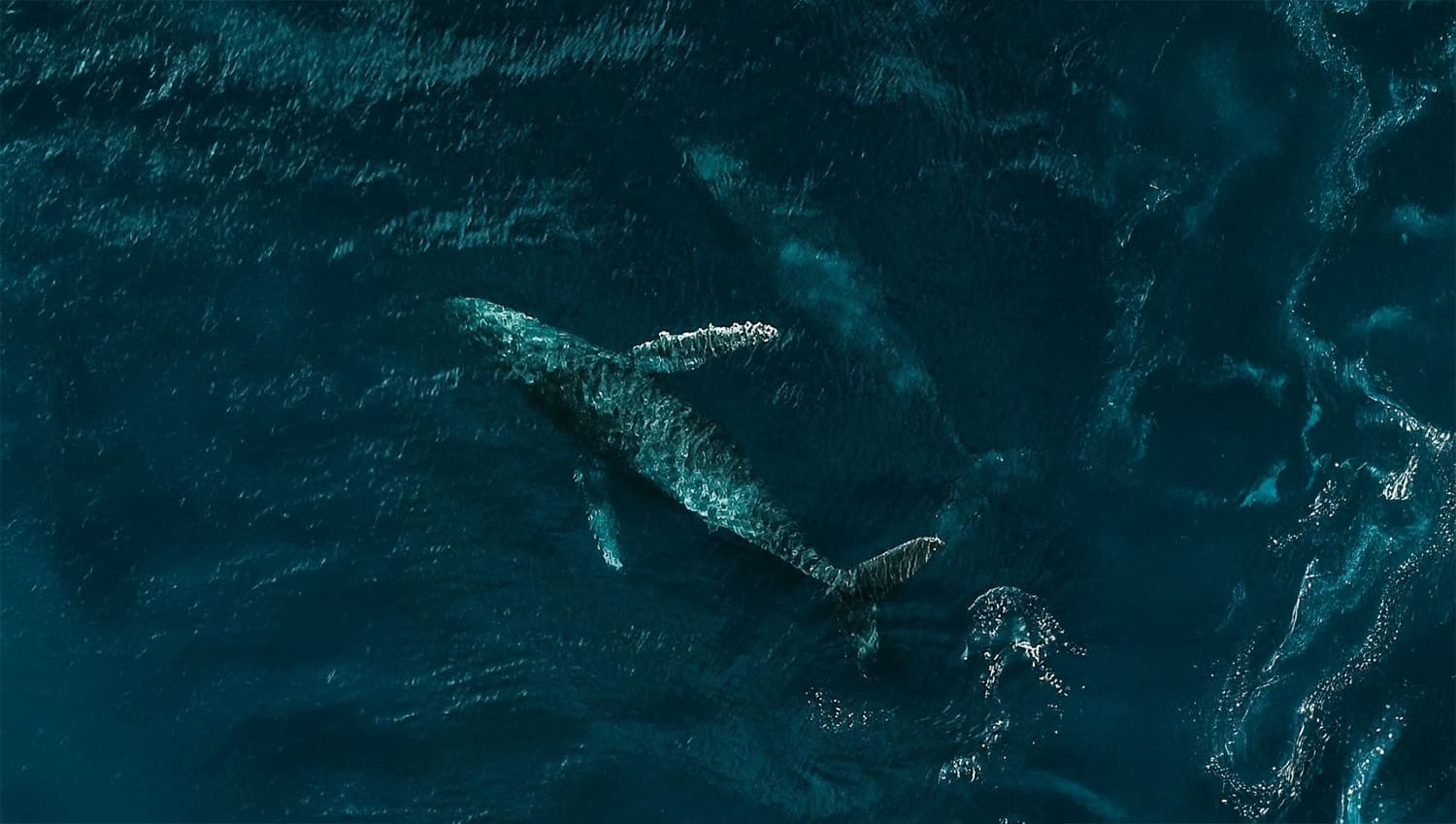
PUERTO VALLARTA AND RIVIERA NAYARIT: THE HEART OF WHALE WATCHING
The sheer size and serenity of Banderas Bay (one of the largest bays in the world) provide ideal conditions for humpback whales to reproduce and raise their calves. Therefore, both Puerto Vallarta and Riviera Nayarit are among the most important destinations for responsible whale watching.
Practically from the Cabo Corrientes Lighthouse all the way up to Punta de Mita, the whales can be spotted via tour operators who comply with environmental regulations. These excursions, guided by certified specialists, not only allow visitors to experience this natural spectacle up close but also provide valuable information about the species, their migration, and the best practices to ensure their protection.
Due to the increased commitment to responsible tourism in recent years, authorities maintain surveillance operations during this season to ensure appropriate viewing distances and thus contribute to the well-being of the whales.
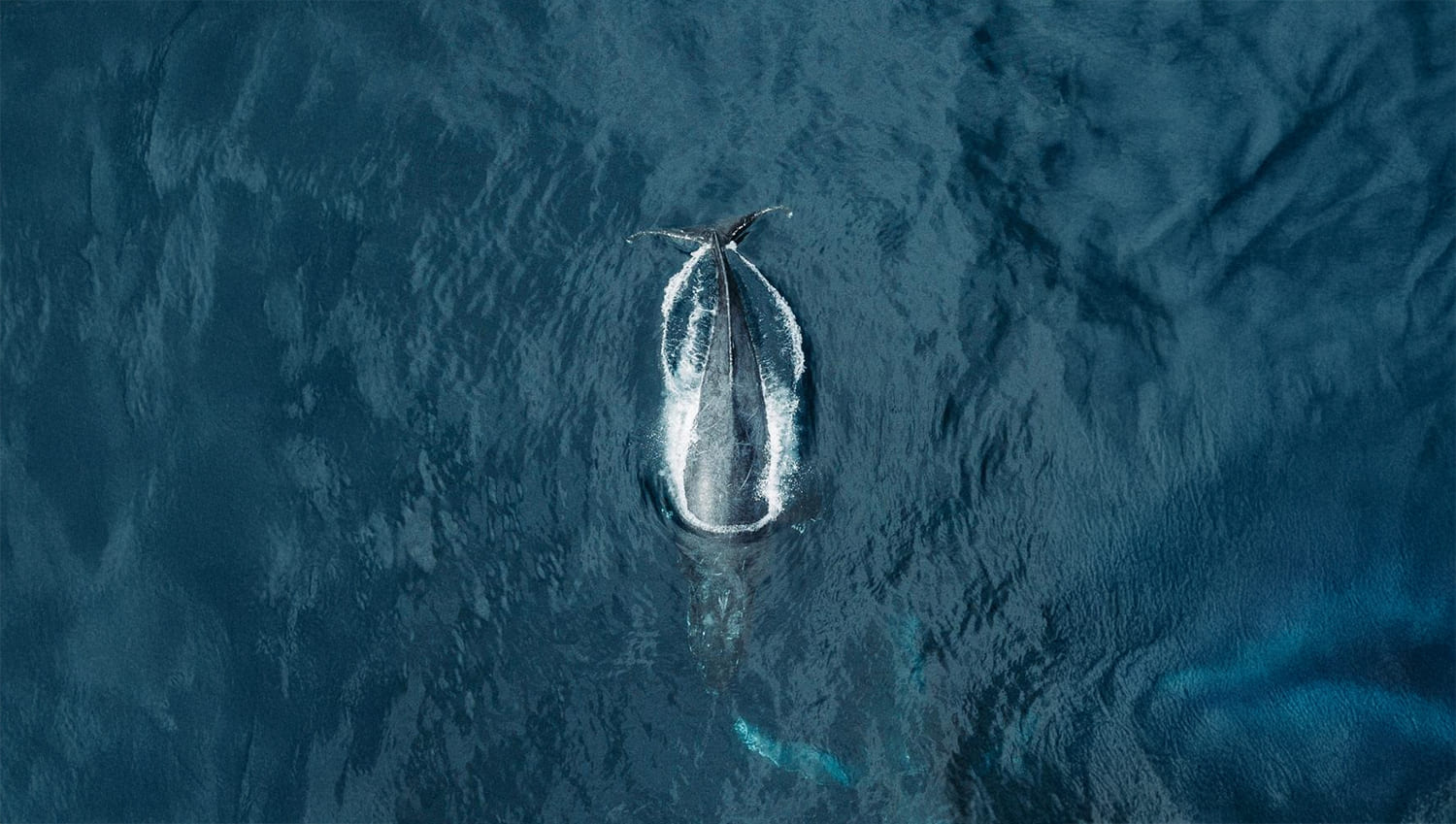
COSTALEGRE: NATURE IN ITS PUREST STATE
Although Puerto Vallarta and Riviera Nayarit account for the majority of the activity, Costalegre (located further south in Jalisco) also kicks off its season. Here, whale watching takes place in less-developed settings, where tours are often conducted in small groups, favoring a more intimate and quiet experience.
The pristine landscapes of Chamela, Careyes, and Tenacatita offer a different context: one that combines a sense of seclusion with biodiversity and a tranquility that enhances the connection with the marine environment.
A BOOST FOR ECONOMY AND CONSERVATION
The start of the whale season represents a natural driver for the regional economy. Hotels, restaurants, boats, and certified guides enhance their offerings, while the demand for tours and experiences in the bay increases significantly.
However, beyond the tourism impact, the season also reinforces conservation and environmental education efforts. Associations, biologists, and local authorities work together to ensure that observation is carried out with respect, order, and full awareness of the ecological value of this phenomenon.
AN ENCOUNTER THAT TRANSCENDS TOURISM
With the official start of the season, Puerto Vallarta, Riviera Nayarit, and Costalegre reaffirm their roles as essential destinations for witnessing the annual return of the humpback whales. It is an experience that blends nature, adventure, and ecological sensitivity, accessible to travelers of all ages.

Comments