
Home Port in Puerto Vallarta: A New Horizon for Pacific Cruises
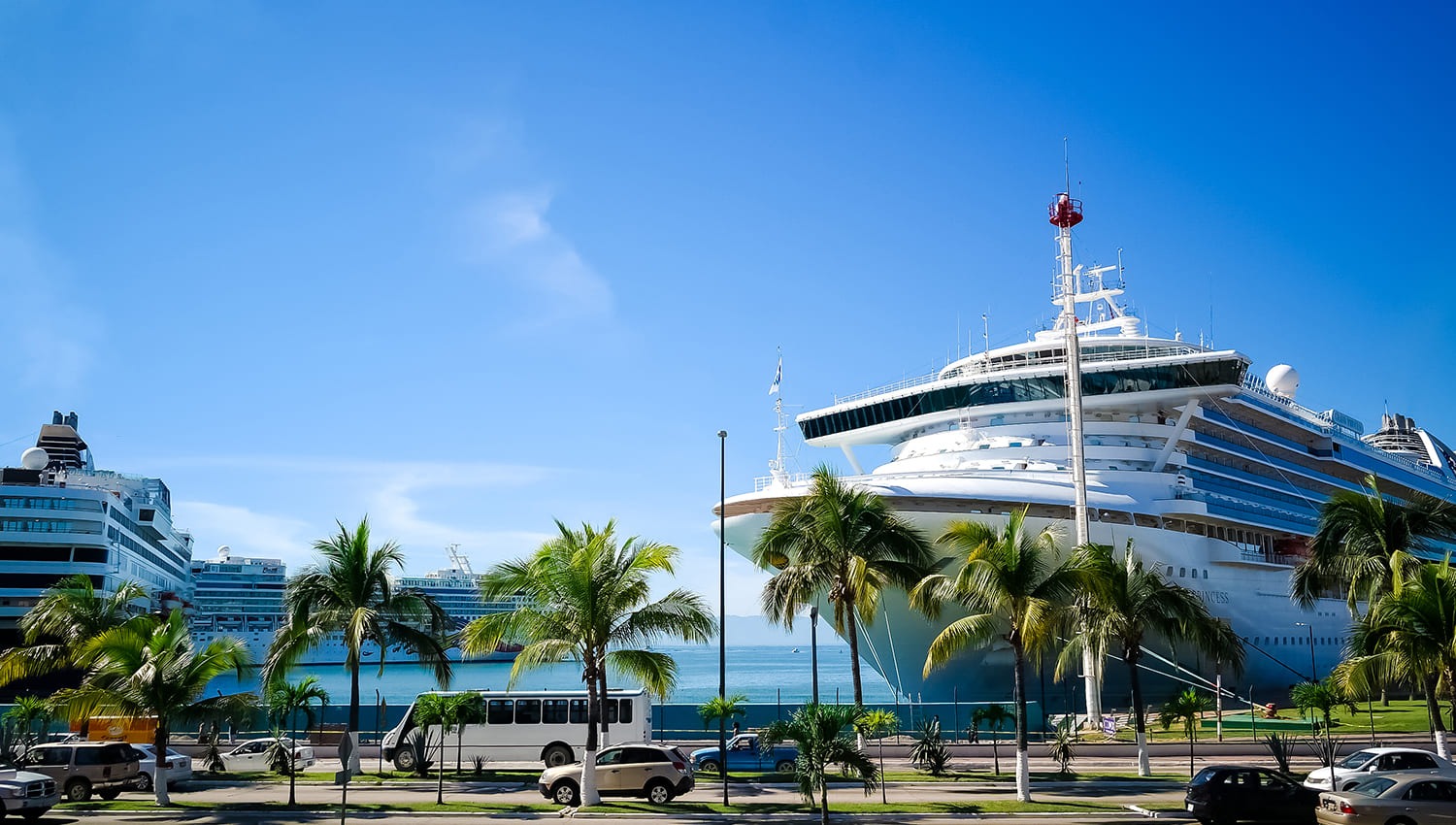
Puerto Vallarta is looking toward the future with a project aimed at strengthening its connection with international maritime tourism. On September 4th, 2026, the National Port System Administration (ASIPONA) of Puerto Vallarta issued a call for tenders to concession the development of a Home Port: a new cruise terminal that includes three additional piers and, if realized, would double the destination’s current ship-handling capacity.
More than an infrastructure expansion, the project introduces a new possibility for the destination: becoming a port of origin and destination for cruise itineraries. This dynamic would unlock broader opportunities to boost the city’s commercial and tourism sectors.
A NEW SCALE FOR MARITIME TOURISM
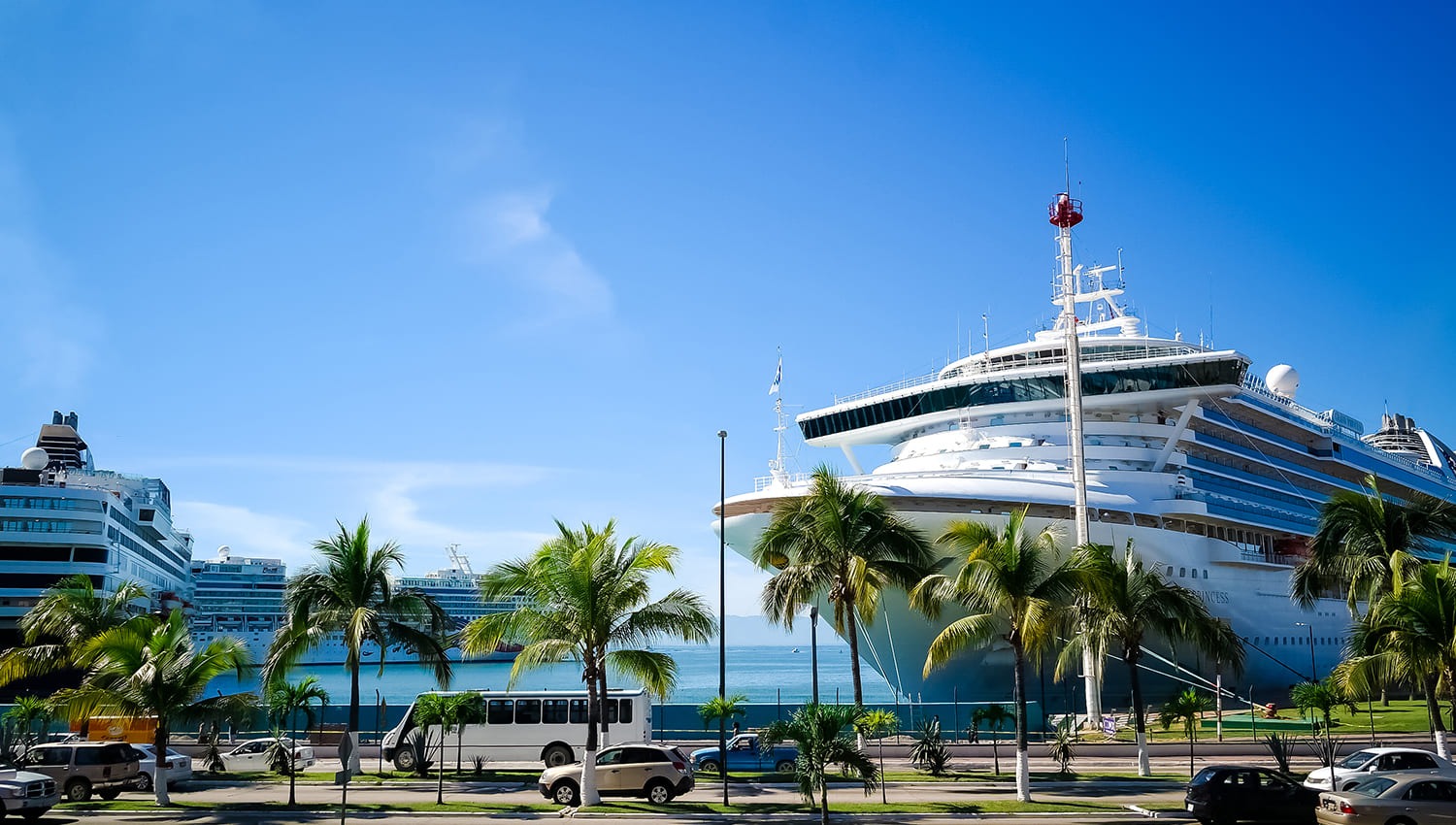
Currently, Puerto Vallarta features three berth positions to service deep-draft vessels. However, it functions primarily as a port of call along cruise itineraries. With the Home Port, passengers will be able to embark to begin their journey and disembark upon its conclusion.
For September 2026, eight ship arrivals are scheduled from cruise lines Carnival, Royal Caribbean, Princess, and Virgin Voyages, which together represent an estimated total of 26,500 passengers.
INFRASTRUCTURE WITH A DESTINATION VISION
According to ASIPONA, the area designated for the concession spans 1,024,519 square feet, divided into 413,926 square feet of land area and 610,593 square feet of water zone.
The tender outlines a 17-year concession for the private operator, who will also be responsible for providing basic embarking, disembarking, and mooring services, among others.
Beyond maritime infrastructure, the project incorporates auxiliary services and general visitor amenities. Among these are the development and marketing of retail outlets and entertainment venues.
The Home Port in Puerto Vallarta is a project that represents a strategic step toward expanding the destination’s connectivity and reinforcing its relationship with an industry that remains an integral part of traveling through Mexico.

Comments