
Banderas Bay: One of the Most Beautiful Bays in the World
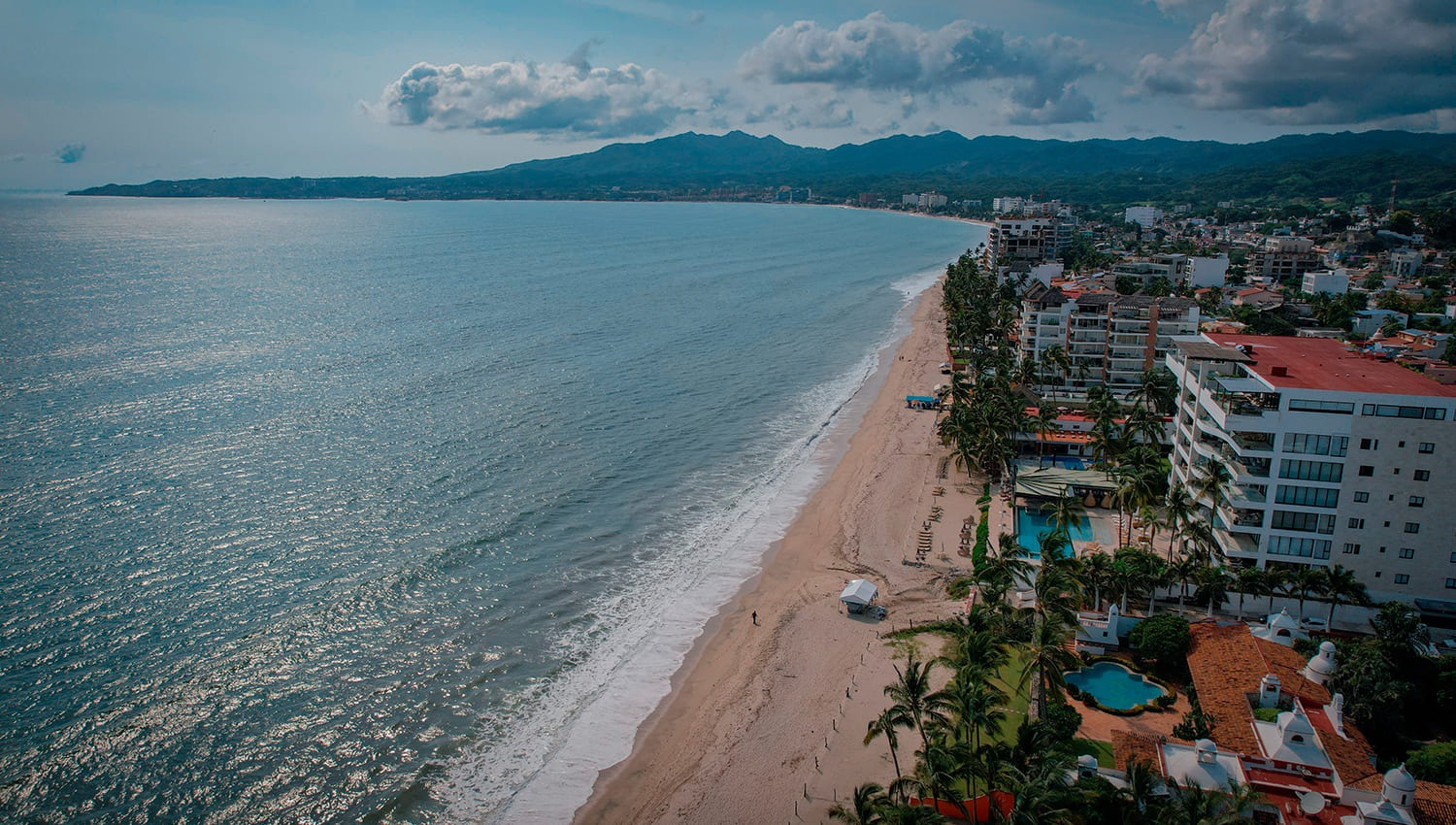
To speak of Vallarta · Nayarit is, inevitably, to speak of Banderas Bay, a place that captivates from the very first moment thanks to the harmony between the Pacific Ocean and the mountains of the Sierra Madre Occidental.
Frequently considered one of the most beautiful on the planet, this bay is home to golden sand beaches, turquoise and blue waters, lush vegetation, and an extraordinary biodiversity that make up a setting where nature manifests in all its splendor.
More than a geographic attraction, the bay represents the heart of a privileged region, capable of offering memorable experiences both for those seeking relaxation by the sea and for those wishing to explore some of Mexico’s most fascinating ecosystems.
ONE OF THE MOST BEAUTIFUL BAYS IN THE WORLD
Banderas Bay boasts characteristics that distinguish it on an international level. It is the largest and deepest bay in Mexico, the second most extensive in North America, and the seventh largest in the world. Its expanse spans approximately 26 miles, from Punta de Mita in Nayarit to Cabo Corrientes in Jalisco.
The calm conditions of its waters also favor a wide variety of recreational activities. Swimming, sailing, and diving are part of the experiences that allow visitors to appreciate the bay from different perspectives, always accompanied by an exceptional natural environment.
A REFUGE FOR BIODIVERSITY
The region surrounding Banderas Bay stands out for hosting an extraordinary diversity of ecosystems. Tropical rainforests, mangroves, and coral reefs coexist within the same territory, offering refuge to numerous species of both terrestrial and marine flora and fauna.
One of the bay’s greatest treasures lies beneath the surface of its waters. Dolphins, sea turtles, manta rays, and a wide variety of fish inhabit this marine ecosystem, making it a site of immense biological wealth. During the winter, between the months of December and March, Banderas Bay takes on an even greater prominence as it becomes part of the humpback whale migratory route. Their arrival provides the opportunity to observe these impressive marine mammals up close through specialized whale-watching tours—an experience that year after year attracts domestic and international visitors.
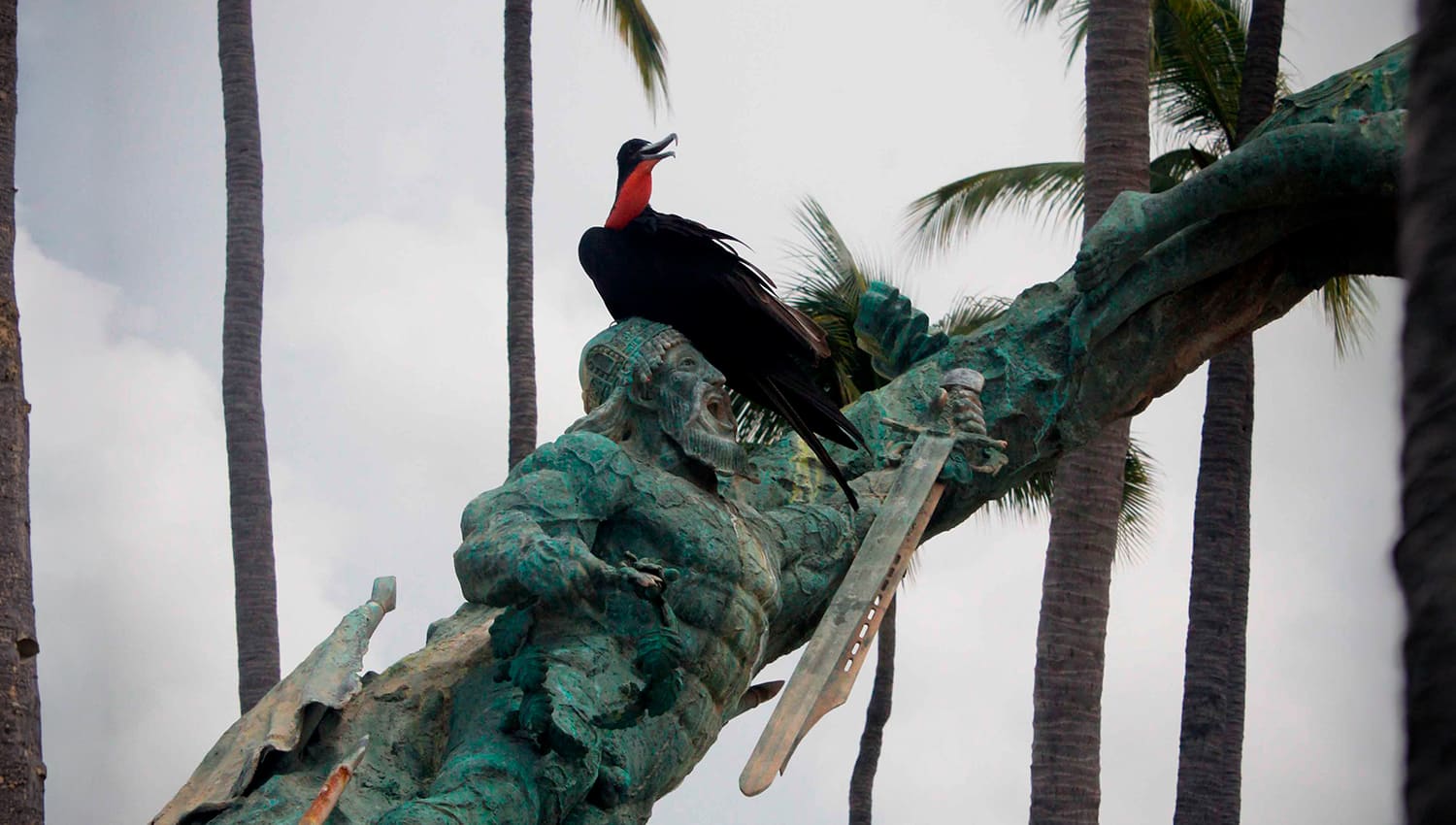
The region’s natural wealth is also manifested in the sky. The diverse habitats surrounding Vallarta · Nayarit host more than 300 bird species, making the destination a particularly attractive area for wildlife viewing enthusiasts. Herons, pelicans, and frigatebirds are among the species frequently spotted, while sites like the Marietas Islands and Los Arcos de Mismaloya have established themselves as some of the best settings to enjoy this activity.
TROPICAL RAINFORESTS FULL OF LIFE
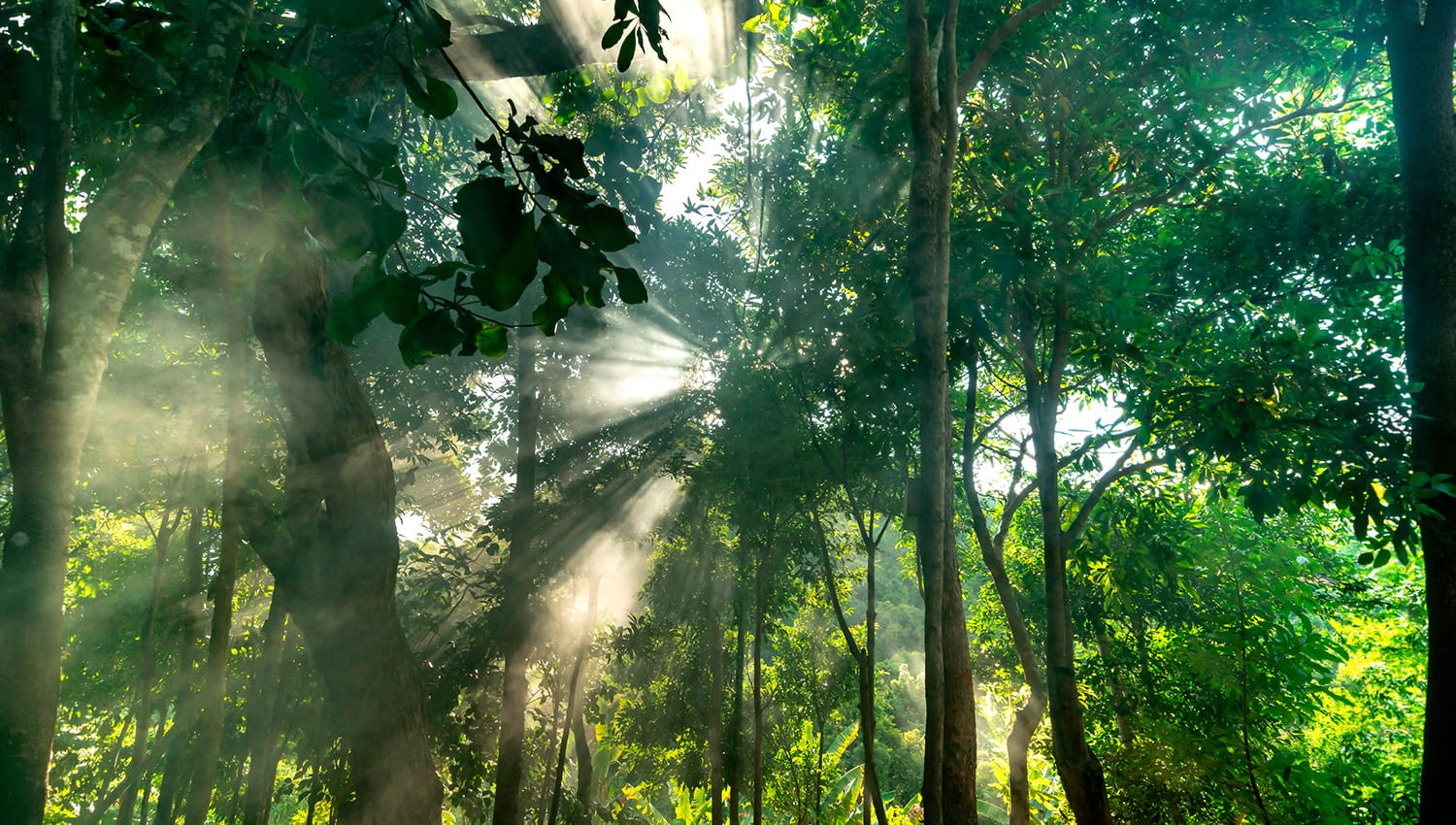
The mountains of the Sierra Madre Occidental, covered by lush tropical rainforests, host a remarkable variety of wildlife, ranging from large felines to reptiles and amphibians.
The trails that traverse these mountains allow visitors to venture into an environment where nature remains the absolute protagonist, offering a different experience from the one provided by the beaches and allowing them to appreciate the enormous ecological diversity that characterizes the region.
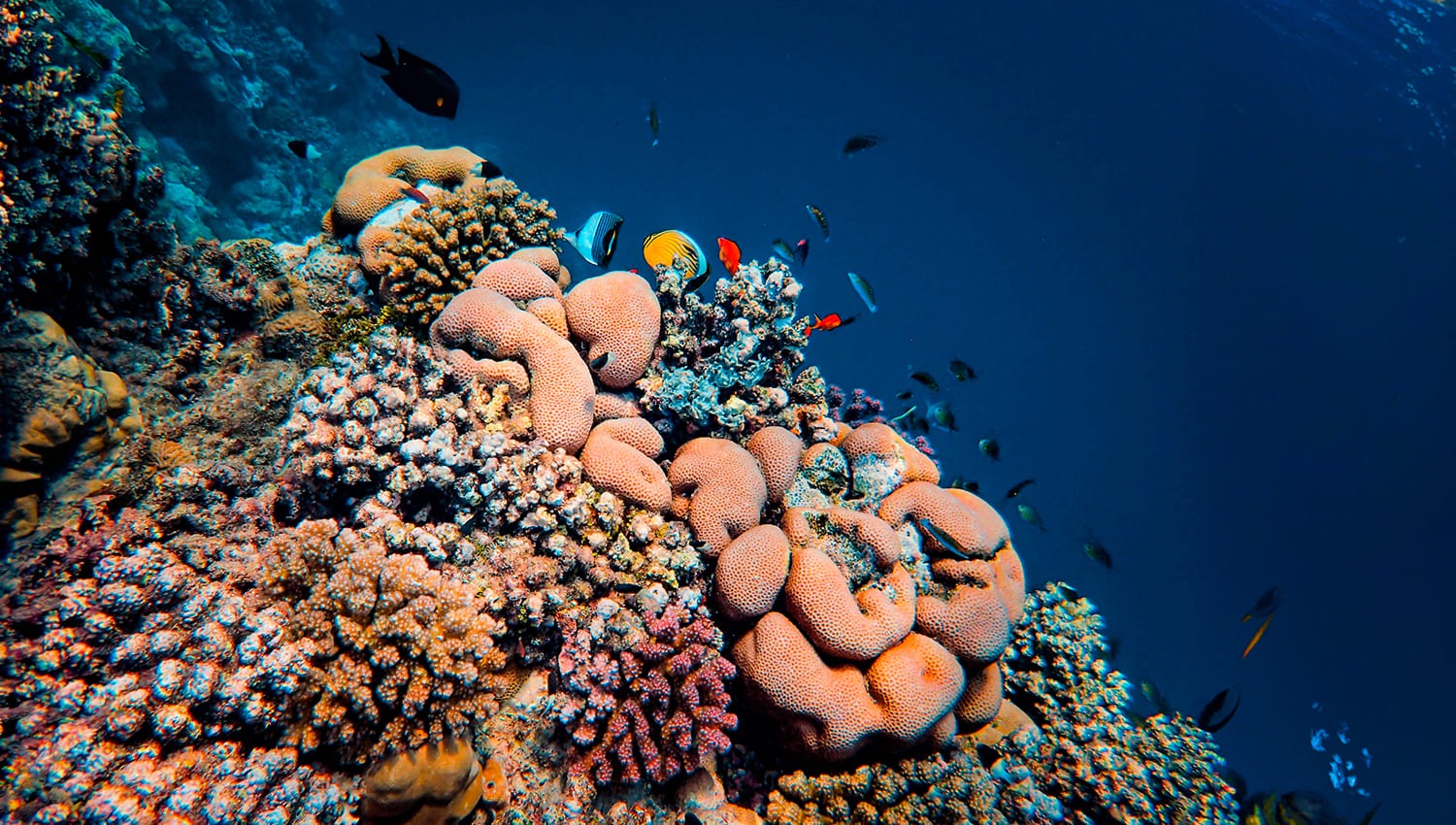
CORAL REEFS AND MANGROVES
Coral reefs and extensive mangroves also thrive along the coastline, serving as fundamental ecosystems for the environmental balance of Banderas Bay.
In addition to serving as a refuge for numerous marine species, these habitats help protect the coastline from erosion. Diving and snorkeling activities allow visitors to admire these underwater landscapes up close, revealing a universe of colors, shapes, and life that remains hidden beneath the surface.
CONSERVATION AND RESPONSIBLE TOURISM
The extraordinary natural wealth of Banderas Bay has driven significant efforts to guarantee its preservation. Authorities, tourism companies, environmental organizations, and local communities alike participate in various initiatives aimed at protecting this natural heritage for future generations.
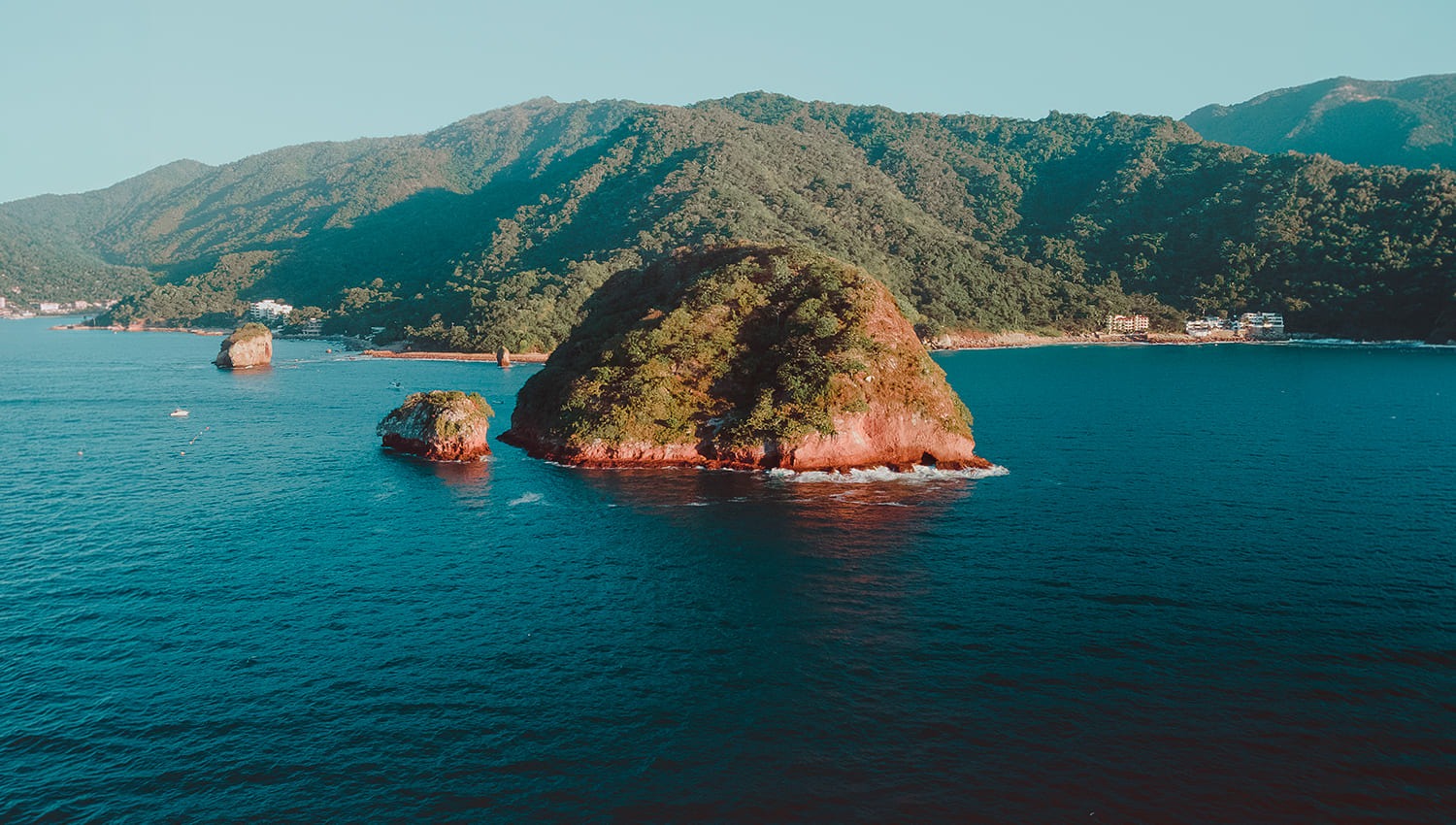
One of the pillars of this strategy is the existence of marine protected areas, most notably Los Arcos de Mismaloya and the Marietas Islands National Park. These spaces allow for the conservation of ecosystems with high ecological value while regulating activities such as fishing and tourism to minimize their environmental impact.
Another of the most representative programs is sea turtle conservation. The beaches of Puerto Vallarta constitute important nesting zones for different species, leading to the development of actions destined to protect nests and support the hatching of the offspring. Visitors can even participate in turtle release activities, an experience that strengthens the link between tourism and conservation.
Banderas Bay is much more than the natural stage shared by Puerto Vallarta and Riviera Nayarit. It is a space where the sea, the mountain, and biodiversity converge to create a unique destination capable of surprising on every visit.

Comments