
Cora Holy Week: A Cultural Legacy in the Sierra del Nayar
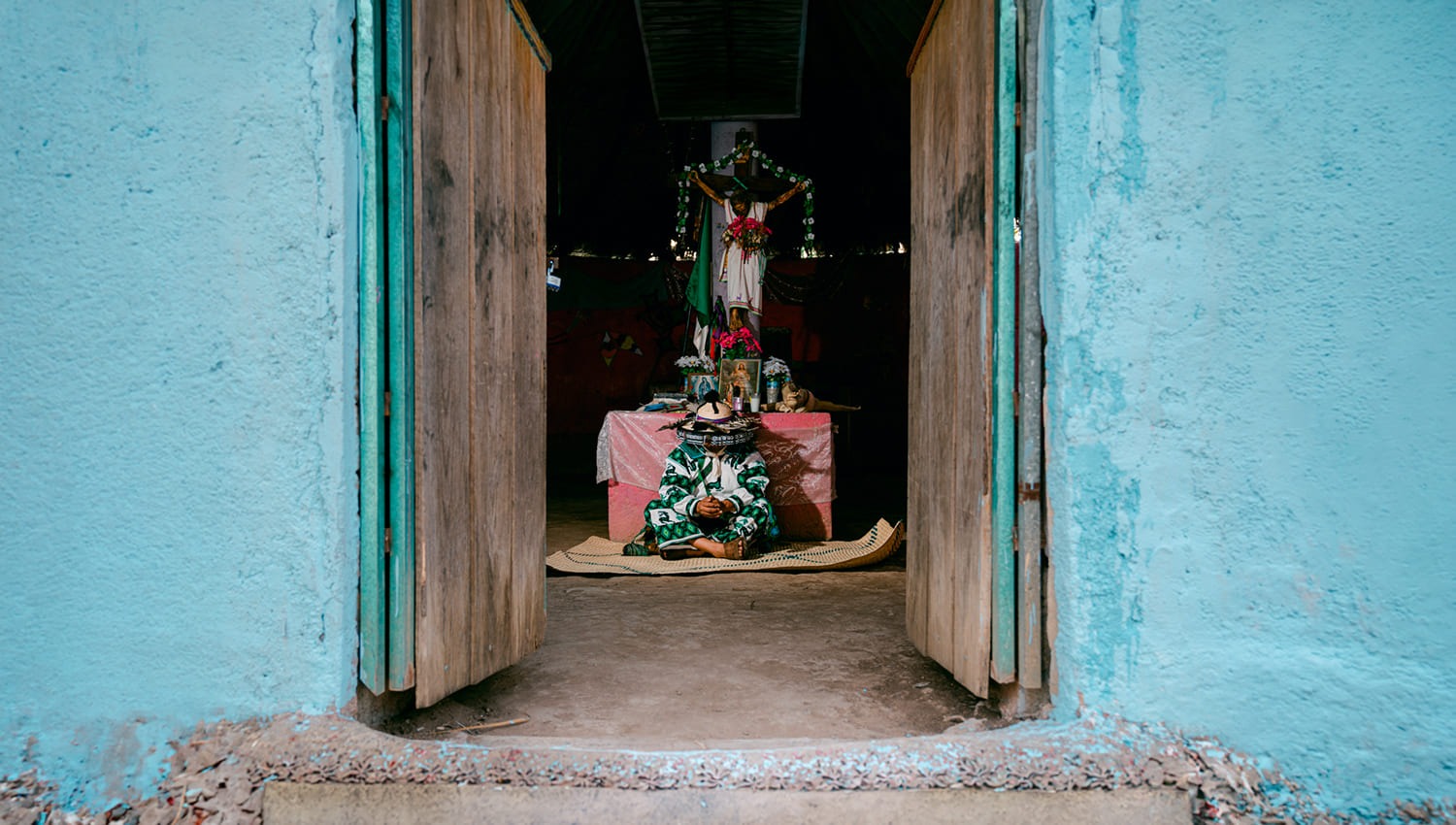
Deep within the Sierra del Nayar, to the northeast of Riviera Nayarit, one of the region’s most authentic and awe-inspiring celebrations unfolds: Cora Holy Week, also known as La Judea. This cultural manifestation transcends typical tourism, becoming a profoundly symbolic experience where tradition, spirituality, and identity converge.
A living heritage of the Cora people—or Na’ayarij—this celebration is the result of a syncretism that intertwines Catholic tradition with ancient pre-Hispanic beliefs. Throughout the centuries, it has preserved rituals dating back to pre-conquest times, establishing itself as a powerful symbol of cultural resistance. in this mountainous setting, the Passion of Christ is woven together with ancestral narratives that evoke the balance of the universe and a connection with nature.
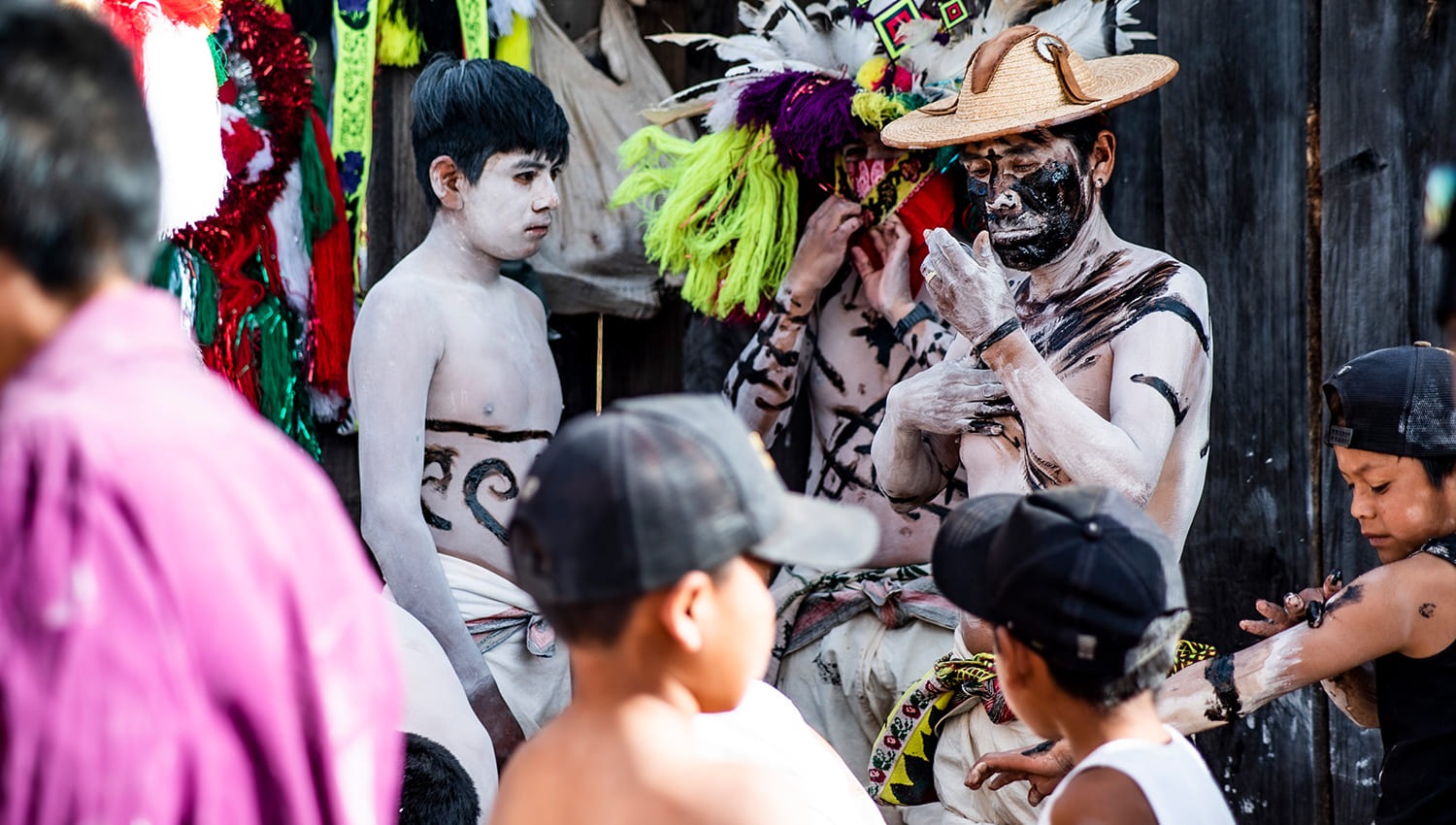
During the holy days, daily life in the communities of the El Nayar municipality is completely transformed. Children, youth, adults, and the elderly actively participate in a collective representation where each individual adopts a role charged with symbolism: Jews, Pharisees, demons, warriors, and Christ. These figures do not merely recreate religious passages; they embody opposing forces in constant confrontation, reflecting a worldview where duality is essential to maintaining the world’s balance.
One of the most striking moments is the “Desfile de los Borrados” (Parade of the Erased), a scene that appears suspended in time. Participants cover their bodies in black and white paint, transforming into spiritual entities that roam the streets in a ritual choreography referring to both conflict and renewal. It is a powerful image that encapsulates the essence of this celebration: the struggle, the cycle, and continuity.
Beyond its spiritual dimension, Cora Holy Week is deeply linked to the agricultural cycle—specifically that of corn, a central element in the life and worldview of the Cora people. Thus, each ritual takes on an expanded meaning: it is not only a religious episode being commemorated, but a celebration of the fertility of the land, the renewal of life, and the endurance of a culture that refuses to disappear.
This festivity takes place in various communities such as Jesús María, Santa Teresa, Dolores, Mesa del Nayar, and San Francisco, as well as in towns of the Lower Cora region like San Juan Corapan, Presidio de los Reyes, and Huaynamota. However, due to the profound cultural significance and the respect these communities deserve, access to some of these celebrations is limited and available only through certified tour operators.
In Nayarit, Holy Week is not merely observed: it is lived, honored, and felt. Whether in the festive dynamism of other corners of the state or the ancestral spirituality of the highlands, this season becomes an invitation to discover one of the most genuine cultural expressions in the country.

Comments